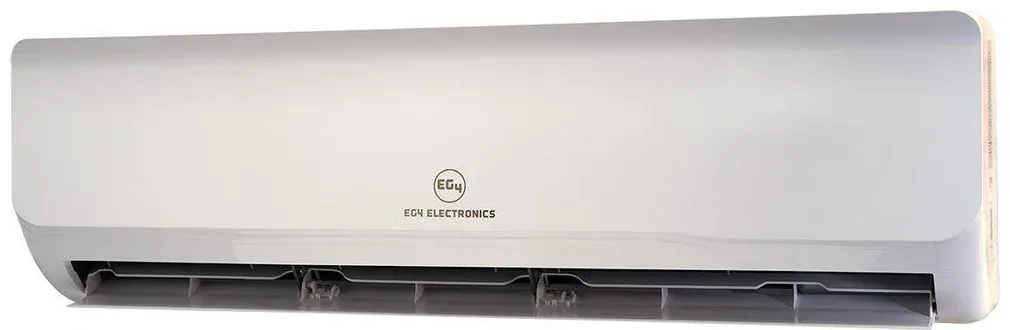
EG4 · Single-Zone DIY
~$2,100
EG4 24K Hybrid Solar Mini-Split
Off-grid cabins, shops and sunny-climate rooms where a dedicated array can power most daytime cooling.
- BTU/h
- 24k
- Volts
- 230
- Refrig.
- R-32
- SEER2
- 21
- HSPF2
- —
- Heats to
- 5°F
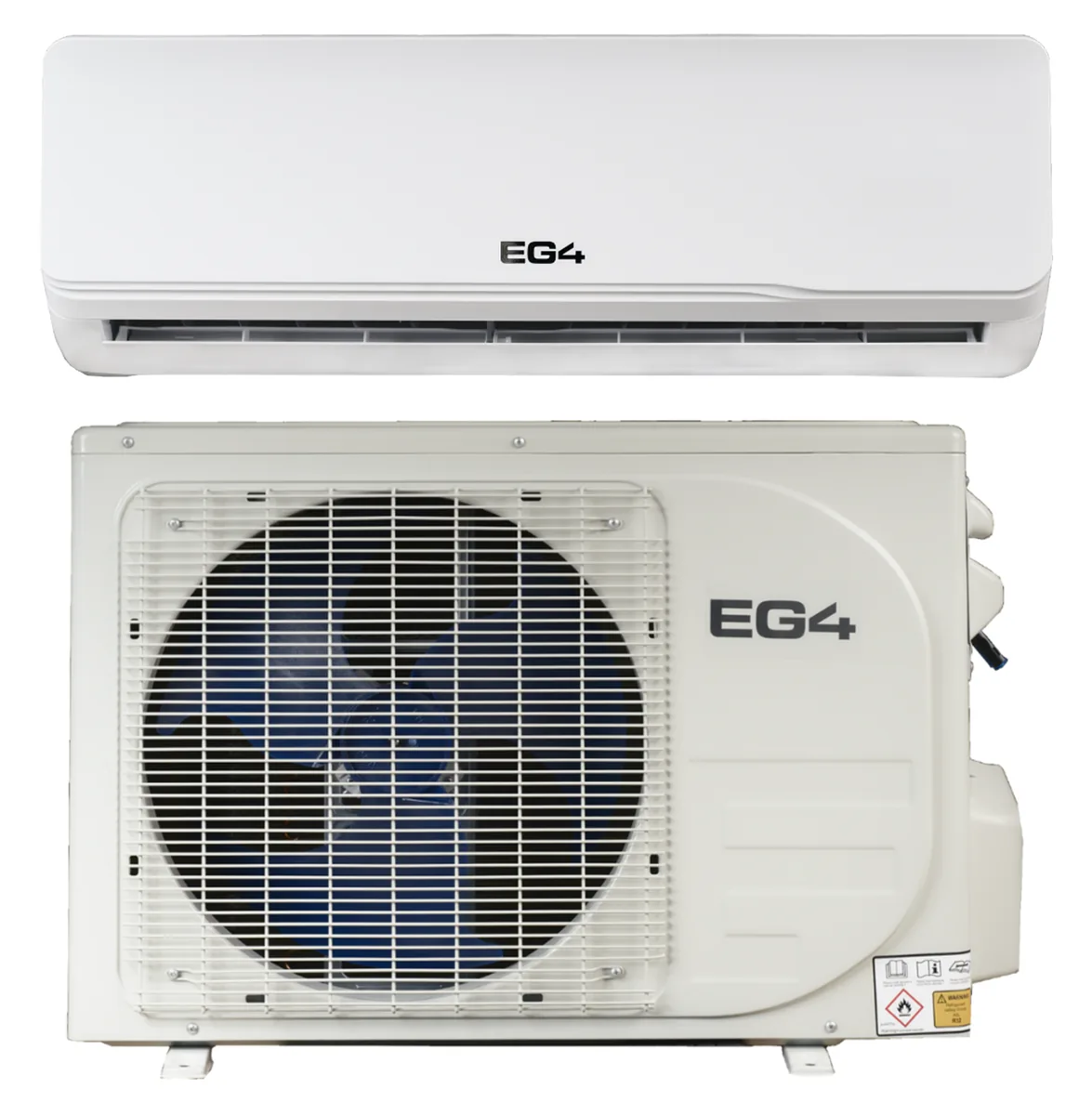
EG4 · Single-Zone DIY
EG4HYB12BTUID/OD (SKU 1510987)
~$1,400approximate retailer price at last check, equipment only
Best forOff-grid cabins, garages, and sunny-climate rooms where free daytime cooling justifies dedicating a few panels.
The EG4 hybrid is the darling of the DIY solar forum crowd for one reason: it runs directly off panels with no inverter and no battery. Wire three or four 400W panels to the MC4 inputs and it air-conditions all afternoon on pure sun, then hands off to grid AC at night automatically. Off-grid cabin owners report it holding 80°F inside during 100°F+ Texas heatwaves on solar alone. The refrigerant side is true DIY — pre-vacuumed quick-connect lineset, no pump — and at $1,400 from Signature Solar it undercuts MRCOOL while adding the solar trick. The honest caveats from owner threads: the panels effectively need to be dedicated to the unit (sharing with a main array is awkward), the 16.4-ft lineset is short and can't be extended, cold-climate heating stops at 5°F so it's not a northern primary heat source, and the Solar Aircon app is clunky. Support is ticket-based through Signature Solar and reviews on turnaround are mixed. For a sunny-climate shed, cabin, or garage, though, nothing else touches the operating cost.
No current listing on NEEP's cold-climate heat pump list. EG4 rates it to keep running down to 5°F; without a listing there's no certified 5°F capacity figure to check that claim against.
Neither, and that's the whole trick. The condenser has MC4 connectors that accept 90-380VDC directly from three or four panels (up to about 1,100W), so you wire panels straight to the unit and it air-conditions on pure sun. There's no inverter, no charge controller, and no battery bank in the loop — a dramatically simpler and cheaper setup than a conventional off-grid AC system.
If you have the 230V AC connection wired, the unit switches to grid power automatically and seamlessly — you don't touch anything, and the Solar Aircon app shows you the real-time solar-versus-grid mix. On a purely off-grid site with no AC backup, it only runs when the panels produce, which is fine for daytime cooling but means no overnight operation.
Yes — it ships with a pre-vacuumed quick-connect lineset, so there's no vacuum pump or gauges involved. The limitation is length: the lineset is a fixed 16.4 ft and can't be swapped for a longer run, so the condenser has to sit close to the indoor head. Verify your layout works within that constraint before ordering.
Not as a primary source in cold climates — heating is rated only down to 5°F. The 10.5 HSPF2 makes it an efficient heater in the shoulder seasons and mild winters, but if you need dependable heat below single digits, look at cold-climate units instead. Its natural habitat is sunny-climate cooling with heating as a bonus.
Not cleanly. The unit wants its own dedicated panels wired to its MC4 inputs — integrating with an existing whole-home array that's already tied to an inverter is clumsy and generally not worth the trouble. Most owners dedicate three or four panels to the unit and let the rest of the array do its normal job.
EG4 · Single-Zone DIY
~$2,100
Off-grid cabins, shops and sunny-climate rooms where a dedicated array can power most daytime cooling.
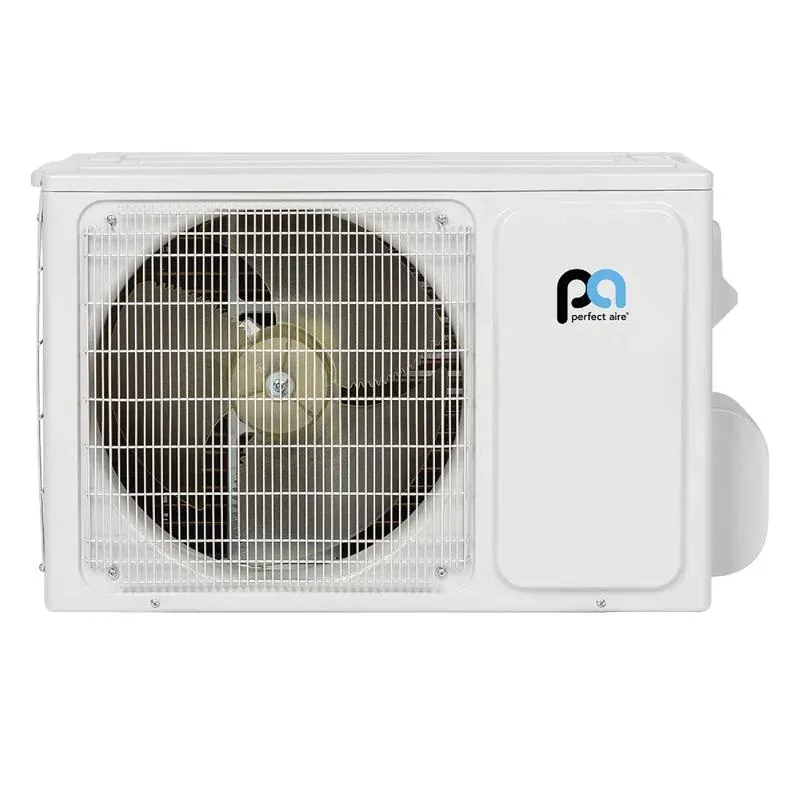 Series photo
Perfect Aire · Single-Zone DIY
~$1,499
Budget DIYers in mild-winter states who want the MRCOOL experience for less money.
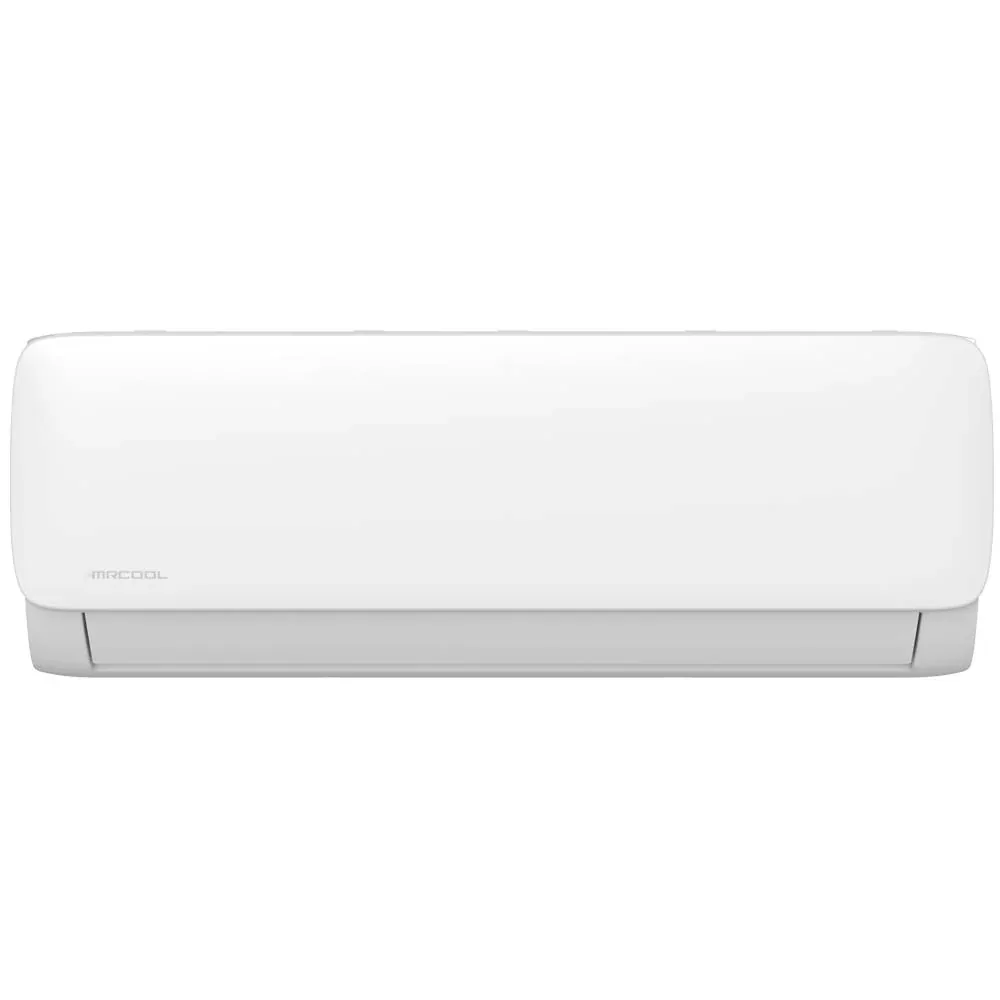 Discontinued
MRCOOL · Single-Zone DIY
~$1,300
A single bedroom or office in a mild climate where the condenser sits directly outside and budget beats efficiency.