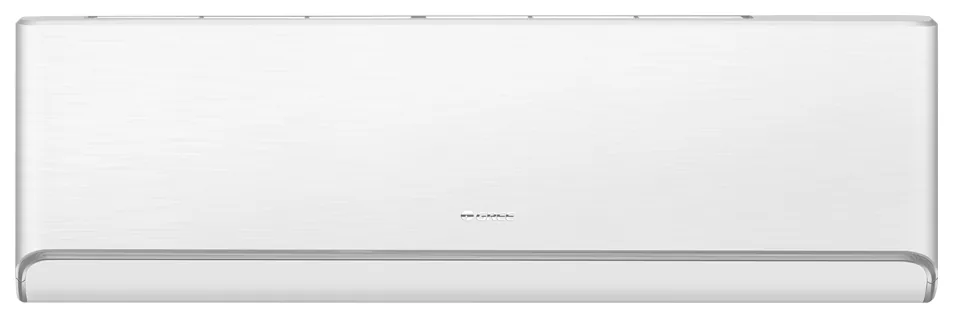
Gree
Gree Sapphire R-32 12,000 BTU
Replaces the Gree Sapphire 12,000 BTU.
Cooling efficiency is where Gree's R-32 Sapphire moved most: 29.5 SEER2 on its AHRI-certified listing (Gree's brochure says 28), 15.2 EER2 and 10.0 HSPF2. The R-410A Sapphire it replaces (SAP12HP230V1A) carried 24 / 8.5 in this catalog. Heating is still rated down to -22°F. Gree lists 10,300 BTU/h at 17°F, and the 12k carries Energy Star cold-climate designation. The compressor is now a G20 double-cylinder inverter, and the indoor head is rated at 27-43 dB(A). The price is the catch. HVACDirect sells the system at $3,114 before the lineset, install kit and bracket it doesn't include, where the old Sapphire went for about $2,270. That moves the Sapphire out of 'cheaper Hyper-Heat' territory and into direct competition with entry Mitsubishi and Fujitsu cold-climate quotes. On NEEP's list it holds its full 12,200 BTU/h at 5°F, which is excellent, but the R-410A Sapphire already managed 12,000, so what the new generation buys is efficiency rather than winter output.
Specifications
Cold-weather output
100% of rated heat at 5°FFrom the certified NEEP cold-climate listing for this pairing; Gree rates it to run down to -22°F.
- Rated heat at 47°F
- 12,200 BTU/h
- Max heat at 5°F
- 12,200 BTU/h
Pairing: SAP12HP230V1R32AO with SAP12HP230V1R32AH. Checked September 30, 2026 on NEEP's ccASHP list; a different head or condenser posts different numbers.
Highlights
Pros
- ✓29.5 SEER2 and 10.0 HSPF2 on its AHRI-certified listing, up from the 24 / 8.5 the R-410A model carried here
- ✓Heating rated down to -22°F, with 10,300 BTU/h listed at 17°F
- ✓Energy Star certified with the cold-climate designation for the 12k size
- ✓Wi-Fi built in, controlled through the GREE+ app
- ✓Indoor head rated as quiet as 27 dB(A)
Cons
- ✗About $3,114 at HVACDirect, roughly $840 above the old model, before lineset, install kit and bracket
- ✗Winter output barely moved: 12,200 BTU/h at 5°F on NEEP against the old Sapphire's 12,000, so the extra money buys efficiency, not heat
- ✗Warranty service still runs through Gree's distributors rather than a dealer network, and parts can be slow outside big metros
- ✗Needs a pro install: flared lines and a vacuum, and R-32 heads won't pair with an existing R-410A condenser
Common Questions
How far can the outdoor unit be from the indoor head?
Why did the price go up so much?
Is R-32 any harder to install or service than R-410A?
How well does it heat when it's really cold?
Does it need a Wi-Fi adapter?
Compare the Gree Sapphire R-32 12,000 BTU
Related mini-splits
More from Gree →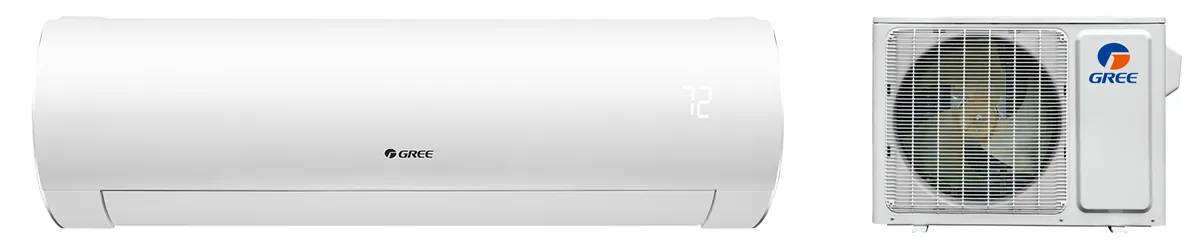
The Sapphire is Gree's flagship answer to Mitsubishi Hyper-Heat, and Gree — the world's largest AC manufacturer, building hardware for half the industry — meant it as a statement: rated heating operation down to -22°F, a G10 inverter compressor, built-in WiFi, and Energy Star certification. Under the old metrics it advertised a famous 30.5 SEER / 14 HSPF; under today's tougher SEER2/HSPF2 tests the published numbers land lower and vary confusingly by pairing and refrigerant generation (R410A vs the newer R32 versions), which is worth knowing before you compare spec sheets across retailers. HVAC owner discussions generally rate the Sapphire as the budget-conscious cold-climate pick that actually delivers in northern winters, with the standing Gree caveats: distributor-dependent warranty service, parts that move slower than Mitsubishi's Diamond network, and street prices that have crept close enough to entry Mitsubishi to make you think. If you find leftover stock and the quote gap is real, it's a strong buy.
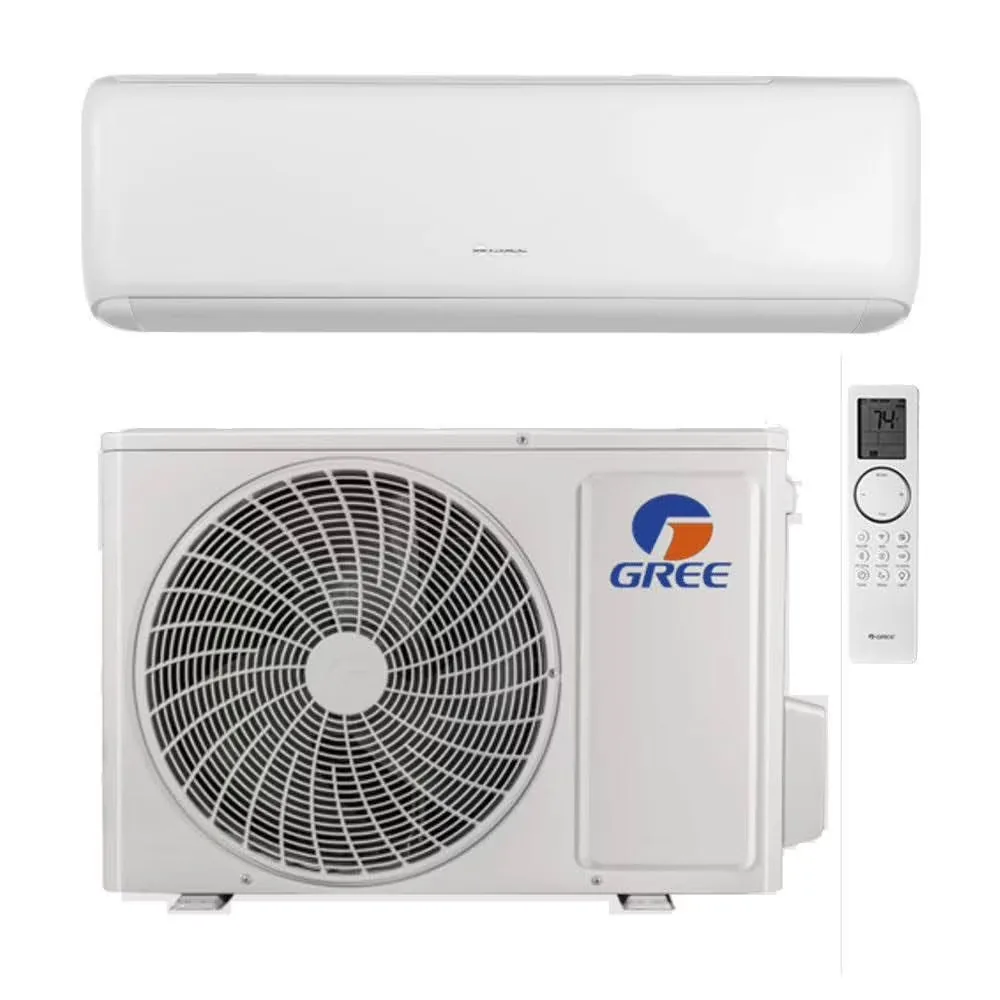
The Vireo is Gree's volume seller — the sensible middle of their range — and the Gen3 R32 refresh quietly turned it into a sleeper cold-climate unit: 24.5 SEER2, HSPF2 up to 9.5, and a published heating operating range that now reaches -22°F, territory that used to require stepping up to the Sapphire. At the $1,600-$2,100 street prices Home Depot and the wholesalers post, that's one of the cheapest paths to genuine low-ambient heating from a manufacturer that builds its own compressors. The honest fine print: '-22°F operation' is not '-22°F full capacity' — Gree doesn't publish the same NEEP-style capacity-retention story Mitsubishi does, so treat it as strong shoulder-to-deep-winter gear with backup for design-cold snaps. WiFi means adding a Cielo-style controller (~$130), the warranty wants online registration and a professional install, and resale recognition is a fraction of the Japanese brands'. As a value-for-cold-climate play, it's hard to argue with.
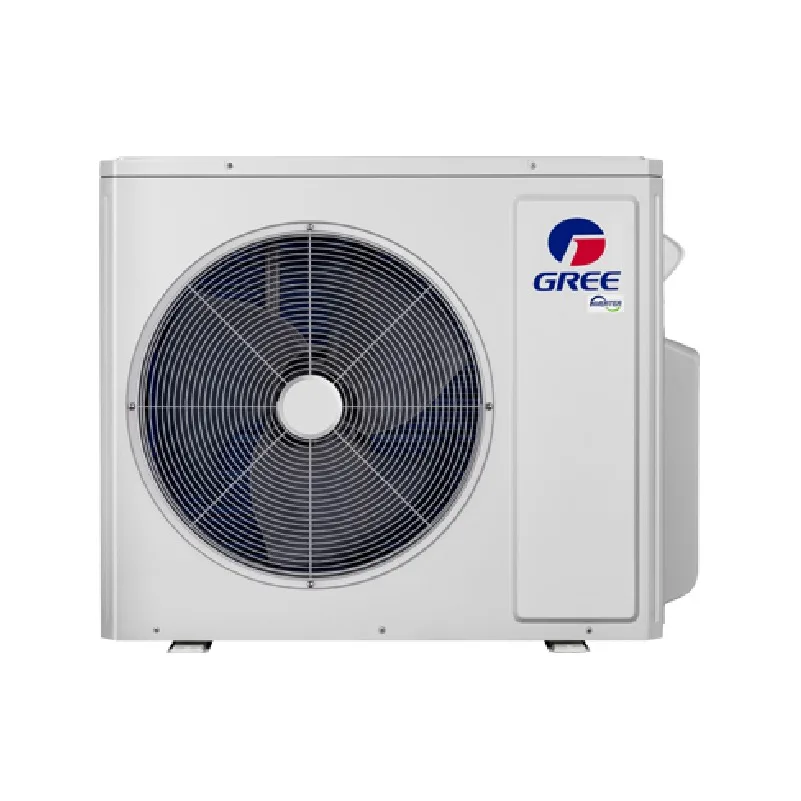
The headline change on Gree's R-32 two-zone package is the heating floor. Gree now rates the 18k multi condenser, paired here with two Livo 9k heads, for heating down to -22°F, against the -5°F the R-410A Multi Gen2 package listed, which moves it from mid-Atlantic duty into cold-climate consideration on paper. Efficiency barely moves: Gree's submittal gives 21 SEER2, 12.0 EER2 and 10.0 HSPF2 for non-ducted heads (AHRI 215218913), the same as the Gen2. Wi-Fi is factory installed, the compressor is Gree's G20 inverter, and HVACDirect lists a 7-year compressor / 5-year parts warranty with online registration, better than the 5-year parts-only terms the old package had online. The price went the other way. The condenser and both heads now come to about $3,580, where the Gen2 package sold for about $2,400, and linesets are still extra. The usual multi-zone caveats still apply. The condenser's minimum heating output is 7,300 BTU/h, more than one 9k room usually needs on a mild day, and one outdoor unit means one failure takes out both rooms.
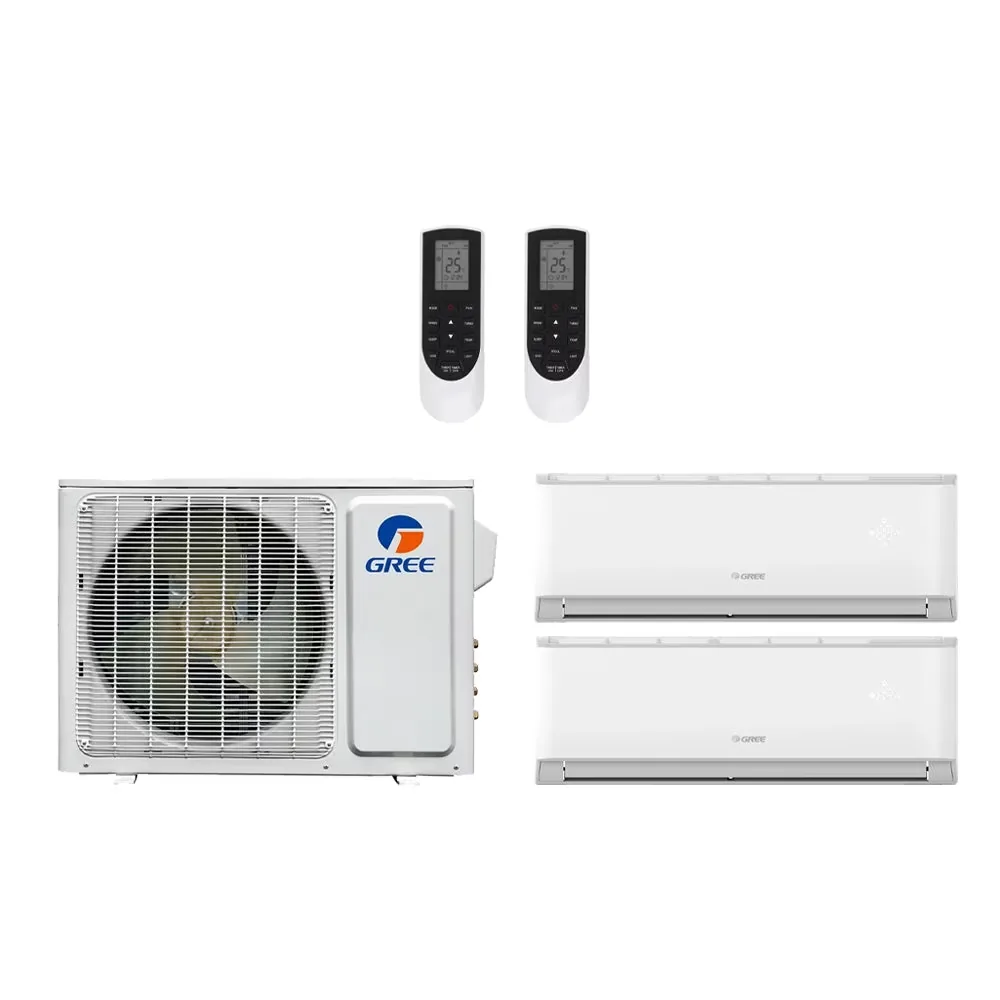
Gree is the world's biggest AC manufacturer — it builds compressors half this list depends on — and the Multi Gen2 is the R-410A package that Gree has since replaced with the R-32 Multi21+. This 9k+9k Livo package lands between the bargain imports and the Japanese brands: 21 SEER2, 10 HSPF2, G10 inverter compressor, and heads as quiet as 26 dB. Same multi-zone gospel from HVAC owner discussions appliy: one condenser equals one point of failure for two rooms, and the minimum modulation floor of an 18k outdoor unit oversizes any single 9k call, so expect more cycling than two singles would produce. The Gen2's rated heating floor of -5°F is workable in the mid-Atlantic and mild Midwest but short of the -22°F cold-climate claims Senville makes — Gree's own low-ambient answer is the pricier Multi Ultra series. HVACDirect shows this R-410A condenser out of stock, so confirm availability before you get a quote built around it.
Mitsubishi Electric
Mitsubishi MSZ-FX12NL Hyper-Heat 12,000 BTU
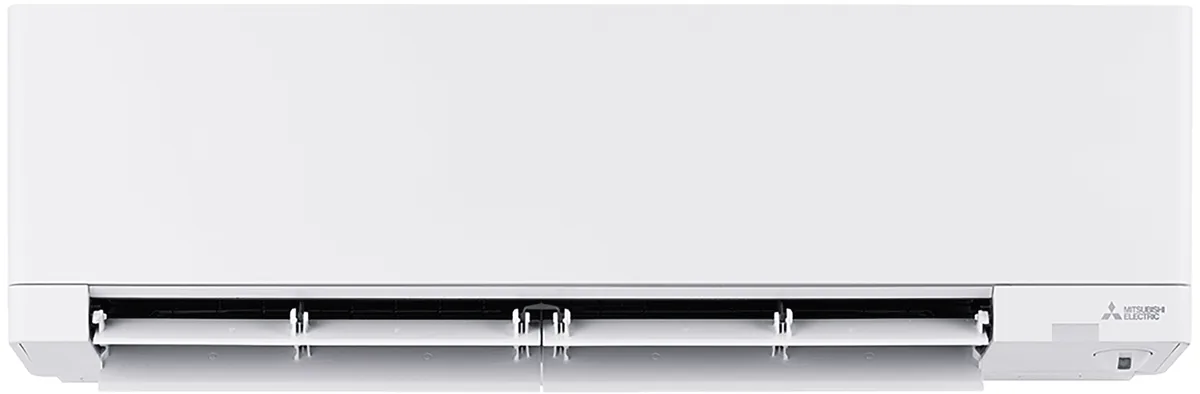
On a 5°F night the FX12 puts out more heat than its own nameplate. Its NEEP cold-climate listing shows 16,200 BTU of maximum heat at 5°F against a 13,200 BTU rating at 47°F, at a COP of 2.2. It is the R-454B successor to the MSZ-FS12NA (Mitsubishi's distributors list the MUZ-FX12NLHZ outdoor unit as replacing the MUZ-FS12NAH), and the jump is bigger than a refrigerant swap. Efficiency went up too, to 29.9 SEER2 and 12.4 HSPF2 (the FS12 was 26.3 and 11.1), and heating is guaranteed down to -22°F where the FS12 stopped at -13°F. The other change people will notice is that Wi-Fi is now built into the head and runs on Mitsubishi's Comfort app, so the separate Kumo Cloud adapter is gone. You pay for all of it: about $3,100 for the system at retail before a contractor's labor, where the FS12 sold for closer to $2,700.
Fujitsu General
Fujitsu Airstage KZAH1 Extra-Low-Temp 12,000 BTU
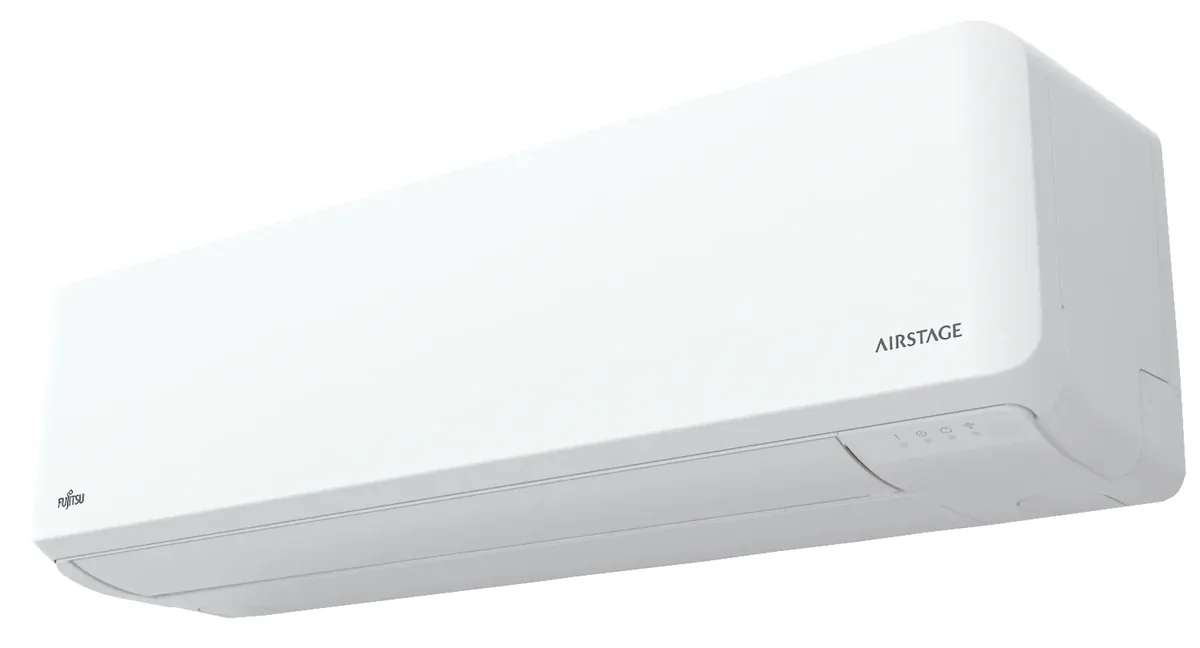
Fujitsu is the third name in the HVAC owner discussions trinity, and the KZAH1 is the direct descendant of the legendary RLS3H that heated Vermont houses for a decade — RLS3H became LZAH1, which became this R-32 KZ generation. On paper it now beats both rivals: 30.5 SEER2 tops the Mitsubishi FS12NA's 26.3, 12.7 HSPF2 tops everything in the 12k class, and extra-low-temp heating runs to -15°F — two degrees below Mitsubishi's rating — with better-than-nominal capacity holding through 5°F. Built-in WiFi via the Airstage app is standard, a small win over Mitsubishi's adapter upsell. The trade-off is network depth: Fujitsu's US installer base is thinner than Mitsubishi's, so quotes swing more and board-level parts can take days instead of hours in some regions. Equipment runs ~$3,050 and installed packages land at $5,500-$8,000. Failure patterns match the category — blower motors and outdoor inverter boards — and Fujitsu's parts pricing is generally friendlier than Mitsubishi's. If an Elite contractor serves your area, the 12-year warranty makes this arguably the best value flagship.