Mitsubishi Electric
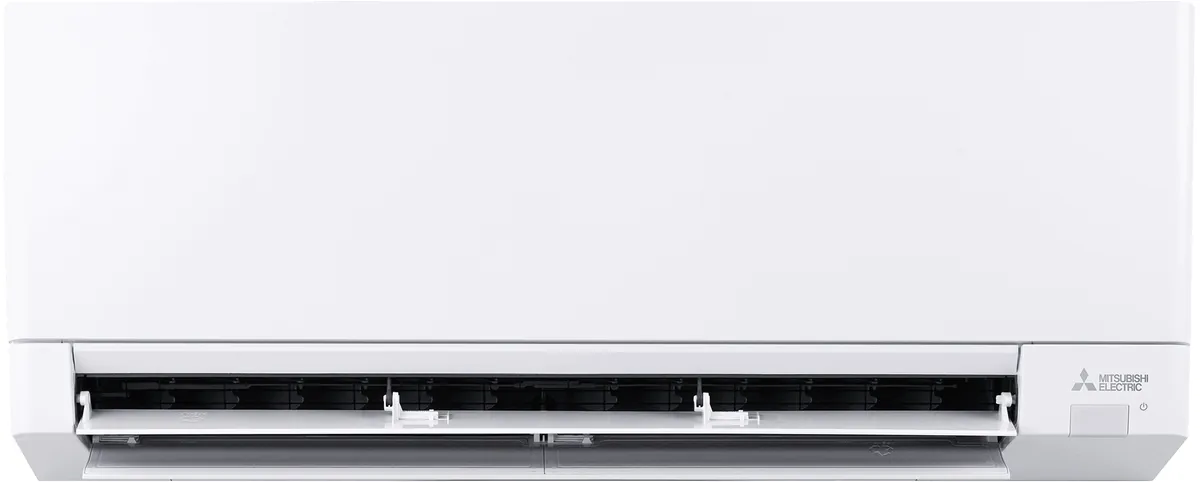
Mitsubishi MSZ-GX12NL 12,000 BTU
Replaces the Mitsubishi MSZ-GL12NA 12,000 BTU.
The GX12 is Mitsubishi's mid-tier R-454B wall unit, and the outdoor unit you pair with it decides what kind of heater it is. This entry covers the standard MUZ-GX12NL, rated 25.6 SEER2 and 10.7 HSPF2, which heats down to about -5°F. NEEP lists it at 14,400 BTU of heat at 47°F but only 10,100 BTU at 5°F, about 70% of rated, so in a cold climate it is a shoulder-season heater. The hyper-heat MUZ-GX12NLHZ uses the same wall head but behaves differently: rated 12,300 BTU at 47°F and still 12,300 at 5°F, with operation to -22°F, at the cost of a lower 10.0 HSPF2 and about $280 more for the system. For GL12 owners this is the like-for-like replacement. Mitsubishi retired the GL12 in favor of the GS series, and the GX is that tier's R-454B generation: cooling improves on the GL12's 23.1 SEER2 at the same 10.7 HSPF2, and Wi-Fi is now built in. The standard system runs about $2,500; GL12 closeouts went for around $1,540.
Specifications
Cold-weather output
70% of rated heat at 5°FFrom the certified NEEP cold-climate listing for this pairing; Mitsubishi Electric rates it to run down to -5°F.
- Rated heat at 47°F
- 14,400 BTU/h
- Max heat at 5°F
- 10,100 BTU/h
Pairing: MUZ-GX12NL with MSZ-GX12NL. Checked September 30, 2026 on NEEP's ccASHP list; a different head or condenser posts different numbers.
Highlights
Pros
- ✓25.6 SEER2 beats the GL12's 23.1 with the same 10.7 HSPF2
- ✓Wi-Fi built into the head; the GL needed a Kumo Cloud adapter or a third-party controller
- ✓Quiet indoor unit, rated as low as 19 dB(A) on its lowest fan speed
- ✓Same head pairs with the MUZ-GX12NLHZ hyper-heat outdoor unit if you need winter capacity
- ✓Up to 65 ft of line set and 40 ft of rise for awkward head placements
- ✓10-year parts and compressor coverage with a licensed install and registration
Cons
- ✗Only 10,100 BTU at 5°F per NEEP, about 70% of its 47°F rating; not primary heat in a cold climate
- ✗About $2,500 for the system, close to $1,000 above the GL12's closeout price
- ✗Easy to mix up with the hyper-heat MUZ-GX12NLHZ; check the outdoor model number on any quote
- ✗R-454B (A2L) installs need an installer trained and equipped for it
Common Questions
What's the difference between the MUZ-GX12NL and the MUZ-GX12NLHZ?
Is this what replaced the GL12?
Can it be my main heat source?
Does it have Wi-Fi?
What warranty does it carry?
Compare the Mitsubishi MSZ-GX12NL 12,000 BTU
Related mini-splits
More from Mitsubishi Electric →Mitsubishi Electric
Mitsubishi MSZ-FS12NA Hyper-Heat 12,000 BTU
Ask HVAC owner discussions what mini-split to buy and the answer is almost always 'Mitsubishi, Daikin, or Fujitsu — in that order,' and this is the unit they mean. The FS12NA with the hyper-heat (H2i) MUZ-FS12NAH outdoor unit delivers 100% of rated heating at 5°F and keeps producing heat down to -13°F, which is why it's the default in New England and the upper Midwest. At 26.3 SEER2 / 11.1 HSPF2 it's also one of the most efficient 1-ton units ever sold in the US. The catch is the price gap: the ~$2,700 equipment becomes $5,000-$7,000 installed once a Diamond Contractor is involved — and you want one, because the 12-year warranty depends on it. Parts availability is excellent through Mitsubishi's distributor network; when these fail it's usually a blower motor or an outdoor control board, both stocked items. Note this R-410A generation is being phased out for the R-454B MSZ-FX12NL, so remaining stock is closeout — grab it or spec the successor.
Mitsubishi Electric
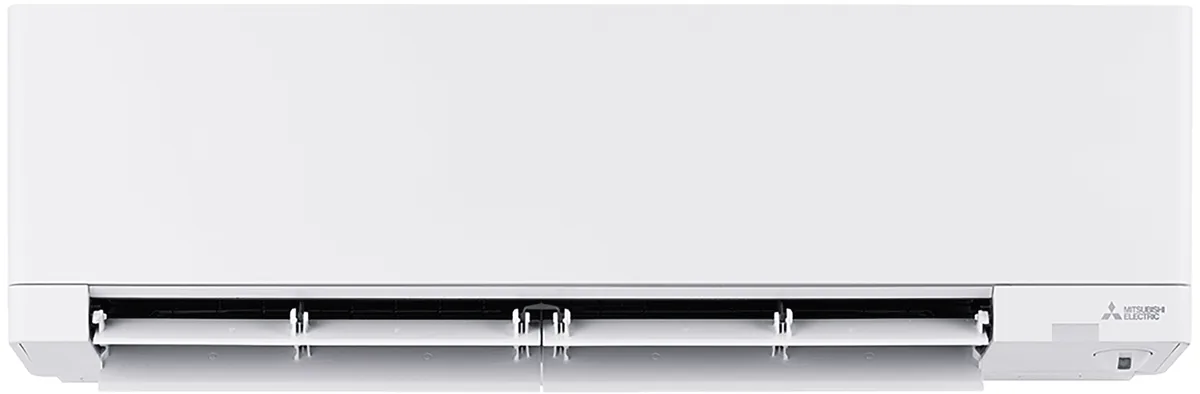
Mitsubishi MSZ-FX12NL Hyper-Heat 12,000 BTU
On a 5°F night the FX12 puts out more heat than its own nameplate. Its NEEP cold-climate listing shows 16,200 BTU of maximum heat at 5°F against a 13,200 BTU rating at 47°F, at a COP of 2.2. It is the R-454B successor to the MSZ-FS12NA (Mitsubishi's distributors list the MUZ-FX12NLHZ outdoor unit as replacing the MUZ-FS12NAH), and the jump is bigger than a refrigerant swap. Efficiency went up too, to 29.9 SEER2 and 12.4 HSPF2 (the FS12 was 26.3 and 11.1), and heating is guaranteed down to -22°F where the FS12 stopped at -13°F. The other change people will notice is that Wi-Fi is now built into the head and runs on Mitsubishi's Comfort app, so the separate Kumo Cloud adapter is gone. You pay for all of it: about $3,100 for the system at retail before a contractor's labor, where the FS12 sold for closer to $2,700.
Mitsubishi Electric
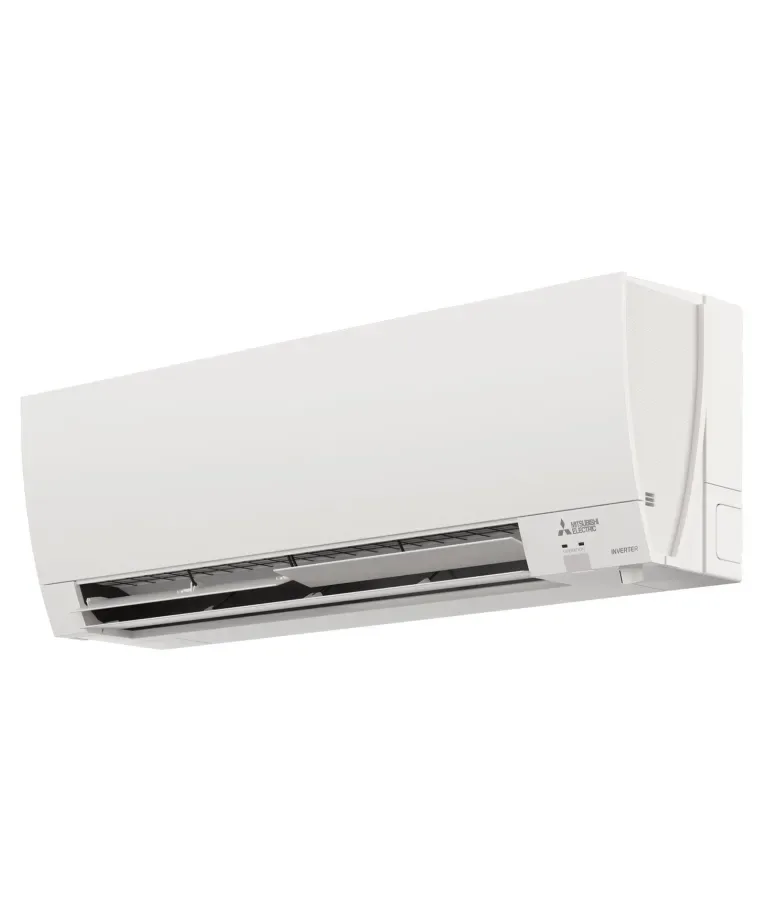
Mitsubishi MSZ-FS18NA Hyper-Heat 18,000 BTU
This is the FS12NA's bigger sibling — the unit HVAC owner discussions point to when a single hyper-heat head needs to carry a large open-plan space or a whole small house. The MUZ-FS18NAH outdoor unit produces up to 30,000 BTU of heat, holds capacity at 5°F, and keeps working to -13°F with a factory base-pan heater to stop ice buildup. Efficiency drops to 21 SEER2 versus the 12k's 26.3 — physics of a bigger coil in the same chassis — but 10.3 HSPF2 still qualifies for most cold-climate rebate programs. The equipment-vs-installed gap is the real story: ~$3,200 in hardware becomes $6,000-$8,500 quoted, and the 18k size often prices close to two smaller heads, which is worth comparing. Failure modes mirror the rest of the M-series: blower motors and inverter boards, both readily available. Like all R-410A FS units it's in closeout as the R-454B FX18NL takes over, so current pricing is favorable if you can find stock.
Mitsubishi Electric
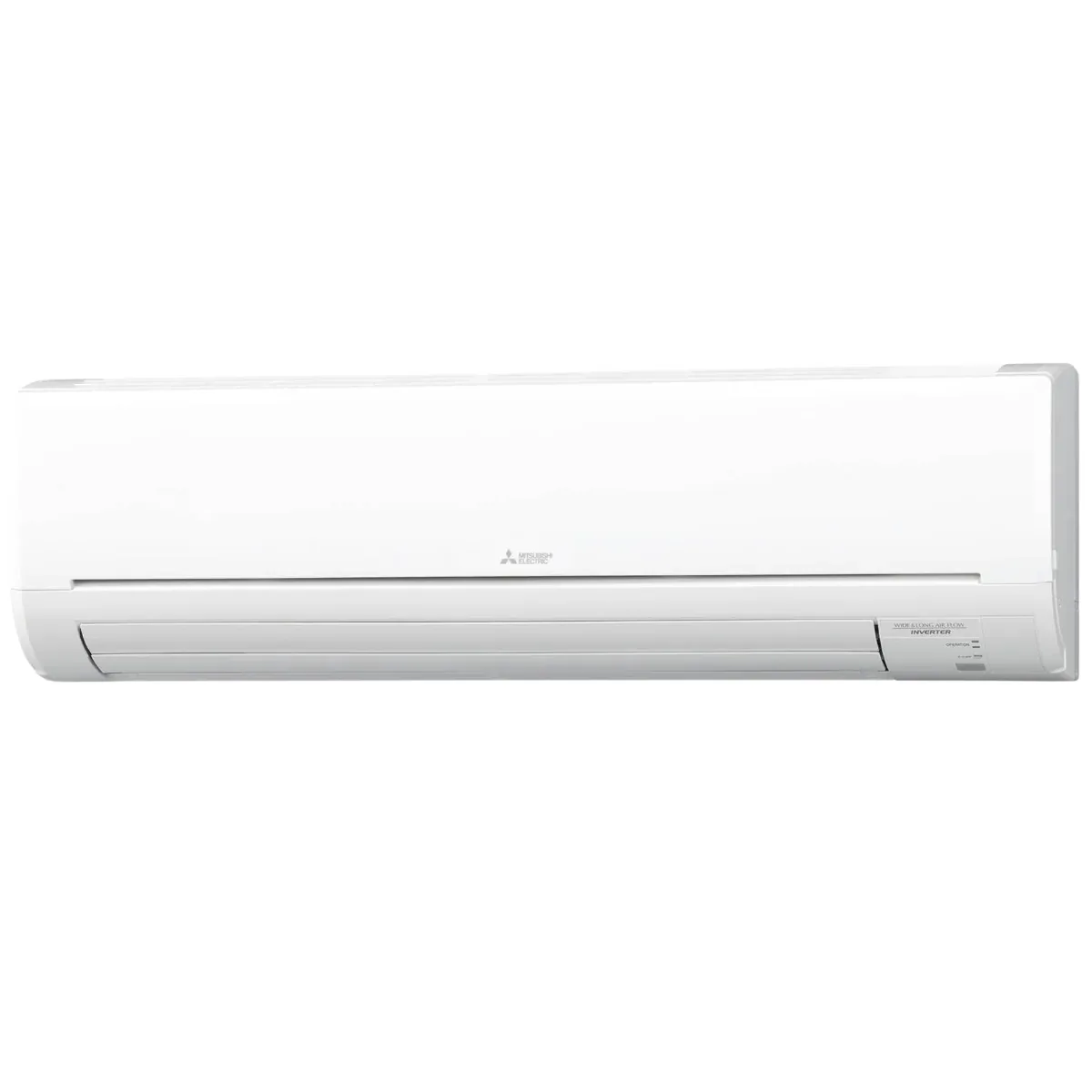
Mitsubishi MSZ-GL12NA 12,000 BTU
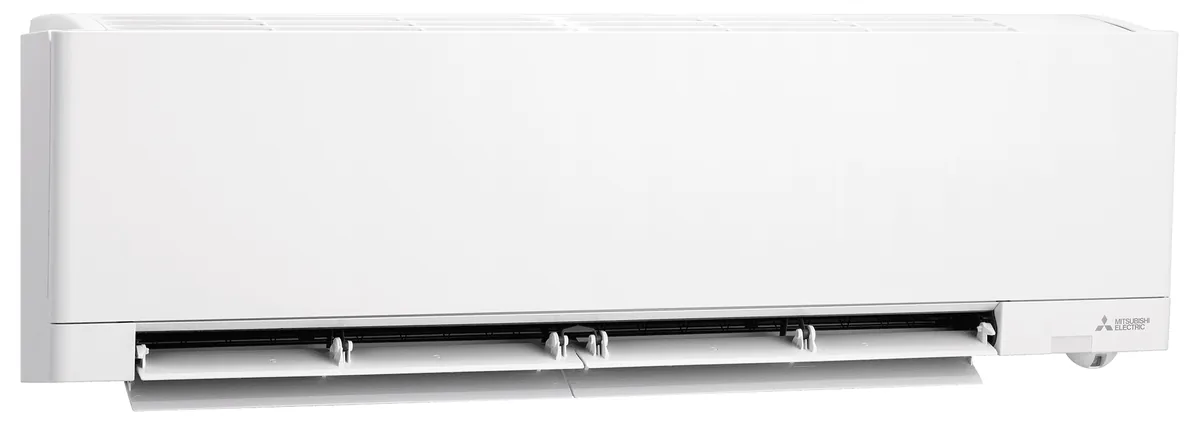
The GL series is the Mitsubishi you buy when you want the badge, the build quality, and the parts network without paying hyper-heat money. HVAC owner discussions recommend it constantly for moderate climates: at 23.1 SEER2 it's still very efficient, and hot-start logic means it never blows cold air while ramping up in heating mode. What you give up versus the FS hyper-heat is cold-weather grunt — heating capacity falls off below freezing and the unit bottoms out around -4°F, so in Zone 5+ it's a shoulder-season heater, not a primary one. Equipment runs ~$1,500 but installed quotes land at $4,000-$6,000, the same labor as any Mitsubishi. Reliability is the selling point: these run for 15+ years, and the common failures — indoor blower motors and outdoor inverter boards — are stocked parts any Diamond Contractor can swap. This generation is retired, and the R-454B MSZ-GX12NL is its current replacement, so what's left on shelves is closeout inventory at genuinely good prices.
Mitsubishi Electric
Mitsubishi MSZ-FX18NL Hyper-Heat 18,000 BTU
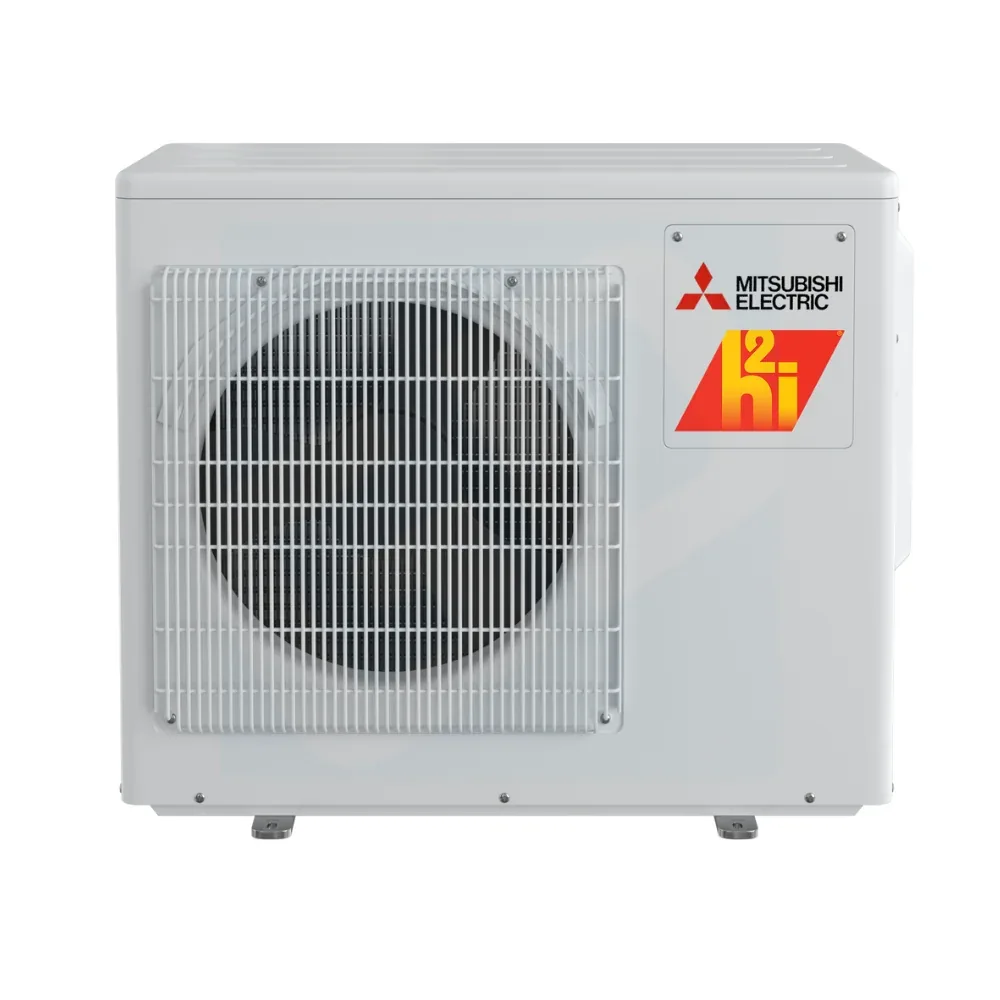
The FX18 closes most of the cooling gap the old MSZ-FS18NA had to its 12k sibling: 25.5 SEER2, up from 21. HSPF2 is 11.1 against the FS18's 10.3. Mitsubishi's distributors list the MUZ-FX18NLHZ as the replacement for the MUZ-FS18NAH, so this is the R-454B successor to that unit. Winter output barely changed. NEEP's cold-climate listing puts maximum heat at 23,600 BTU at 5°F, well above the 17,000 BTU it's rated for at 47°F, at a COP of 2.06; the FS18 was listed at 23,000 BTU and 2.07. Mitsubishi guarantees heating down to -22°F, where the FS18 was rated to -13°F, and the outdoor unit keeps a base-pan heater for defrost meltwater. Wi-Fi now comes in the head. At about $4,200 for the system at GotDuctless it costs close to $1,000 more than the FS18 did, and at that price two smaller heads deserve a quote, especially in a house with closed-off rooms.
Mitsubishi Electric
Mitsubishi MXZ 3-Zone 24,000 BTU Hyper-Heat (H2i)
This is the current R454B successor to the legendary MXZ-3C24NAHZ2, and it's the multi-zone cold-climate benchmark: 100% heating capacity at 5°F and 75% at -13°F, with operation down to -22°F. The HVAC owner discussions caveats still apply, though — a multi is a single point of failure for every room it serves, and when only one small head calls, a 24k condenser can't modulate low enough, so it short-cycles and humidity control suffers. Plenty of pros will tell you two single-zone units beat one multi on efficiency, redundancy, and comfort if you have the wall space and panel capacity for two circuits. Where this Mitsubishi earns its price is build quality, parts availability, and genuinely usable heat in northern winters — it's the multi people buy when they've decided a multi is the right call and want it done once. Budget for a real installer; this is not DIY equipment, and the good warranty depends on it.