MRCOOL
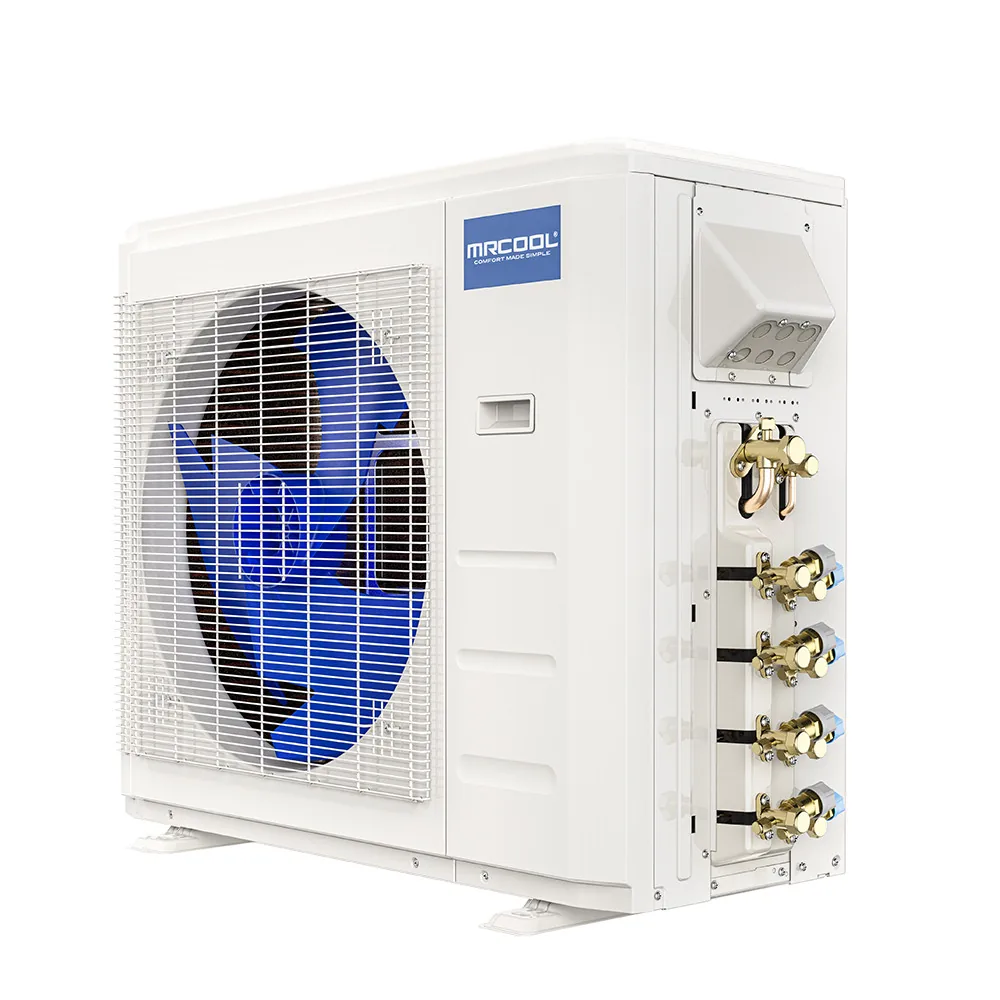
MRCOOL DIY 5th Gen Multi-Zone 27,000 BTU (2 x 12k)
Replaces the MRCOOL DIY 4th Gen 27K 2-Zone (12K + 12K).
The useful change on MRCOOL's two-zone 5th Gen bundle is a fourth port. The 27k condenser feeding its two 12k heads now has four ports instead of three, so a 2-zone install can add heads later instead of being boxed in. It replaces the R-410A 4th Gen bundle, MRCOOL's most common DIY multi-zone setup. On efficiency, MRCOOL quotes 23 SEER2 and 9.5 HSPF2. The NEEP listing for the certified system shows 23 SEER2 and 9.0 HSPF2, and the lower number is the one used here, which means heating efficiency is no better than the 4th Gen's 9.5 claim. NEEP lists 18,200 BTU of maximum heat at 5°F from a 26,000 BTU rated condenser, about 70%, at a COP of 2.0, with an Energy Star cold-climate flag. The multi-zone trade-offs carry over: both heads share one compressor and one mode, and one board failure takes out both rooms. The bundle sells for about $3,971 on sale.
Specifications
Cold-weather output
70% of rated heat at 5°FFrom the certified NEEP cold-climate listing for this pairing; MRCOOL rates it to run down to -13°F.
- Rated heat at 47°F
- 26,000 BTU/h
- Max heat at 5°F
- 18,200 BTU/h
Pairing: DIY-MULTI4-27HP230D-O with non-ducted heads. Checked September 30, 2026 on NEEP's ccASHP list; a different head or condenser posts different numbers.
Highlights
Pros
- ✓Four-port condenser leaves room to add heads later; the 4th Gen 27k had three ports
- ✓One 230V circuit with a 25A maximum fuse powers both zones
- ✓NEEP cold-climate listed with an Energy Star cold-climate flag, holding 18,200 BTU at 5°F
- ✓23 SEER2 on the certified system, a step up from the 4th Gen's 22
- ✓Precharged lines from 16 ft to 75 ft let each head sit where it should rather than where the lineset reaches
- ✓One outdoor unit instead of two, which helps on small lots and with HOAs
Cons
- ✗Certified HSPF2 is 9.0 in the NEEP listing, below MRCOOL's quoted 9.5 and no better than the 4th Gen's claimed figure
- ✗Both heads share one compressor and mode: no heating one room while cooling the other
- ✗A condenser or board failure takes both rooms down at once
- ✗Only about $770 less than two 5th Gen 12k single-zones, which keep each room independent; about $470 more than the 4th Gen bundle
- ✗5th Gen heads and lines won't connect to an existing 4th Gen multi condenser
Common Questions
Can I add a third room later?
Why is the HSPF2 9.0 here when MRCOOL says 9.5?
Can my 4th Gen multi-zone heads work with this condenser?
Is this cheaper than two separate 12k systems?
How well does it heat two rooms in winter?
Compare the MRCOOL DIY 5th Gen Multi-Zone 27,000 BTU (2 x 12k)
Related mini-splits
More from MRCOOL →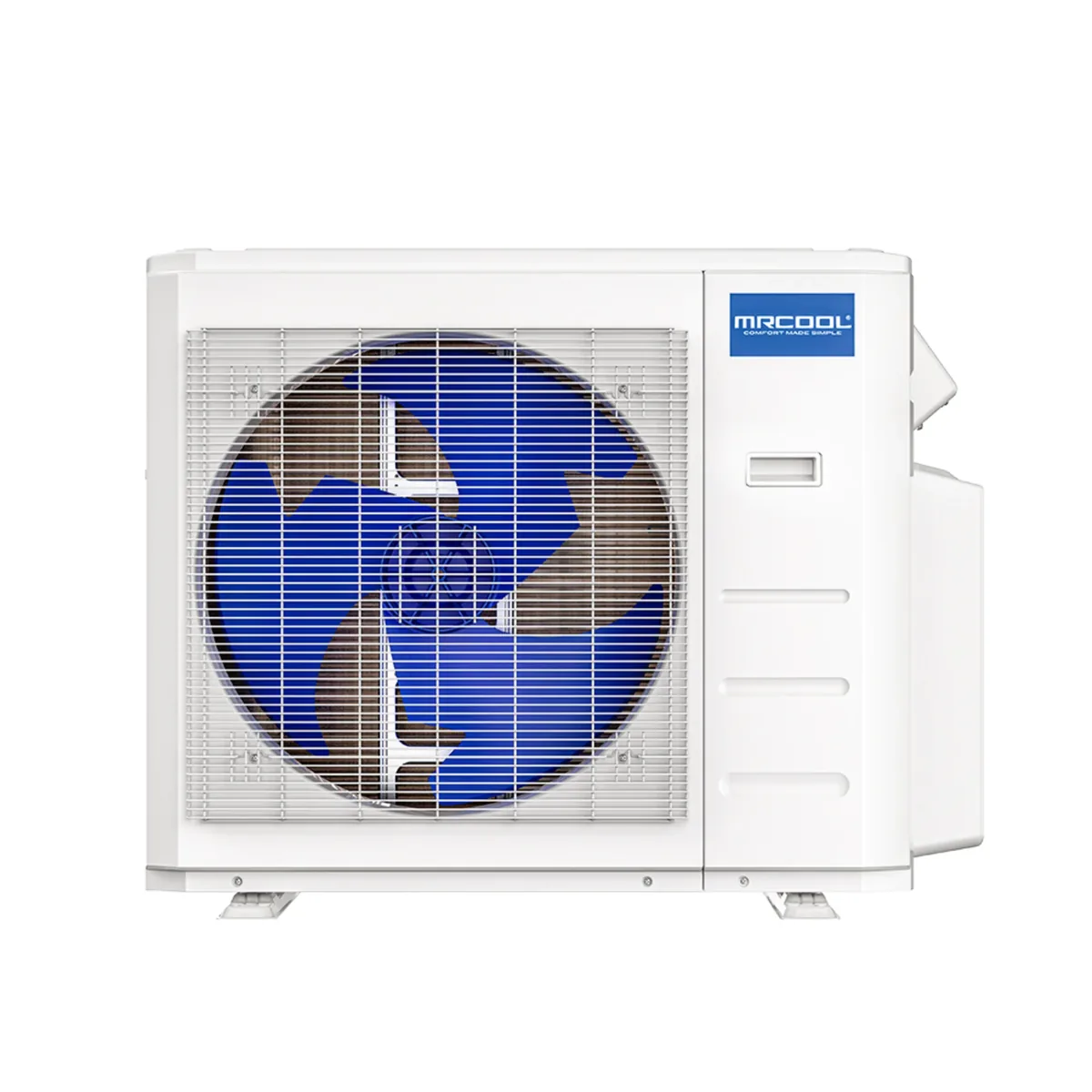
The most popular DIY multi-zone config: one 27k condenser feeding two 12k heads, typically a master bedroom plus living room, or two upstairs bedrooms. You get independent temperature control per room off a single 230V circuit and one outdoor unit — a huge deal for small lots and HOA setups. Owners at Home Outlet Direct and Home Depot rate these bundles highly for install experience, but multi-zone brings quirks the single-zone crowd doesn't see: both heads share one compressor, so the system can't heat one zone and cool the other, and owners report the condenser short-cycles when only one small head calls for a trickle of cooling. The 35-ft lineset option on the second zone is precharged too, which is how most people reach a far bedroom. Budget note: two separate 12k singles cost about the same and give you redundancy — you pick the multi for the single circuit and single condenser footprint, not to save money.
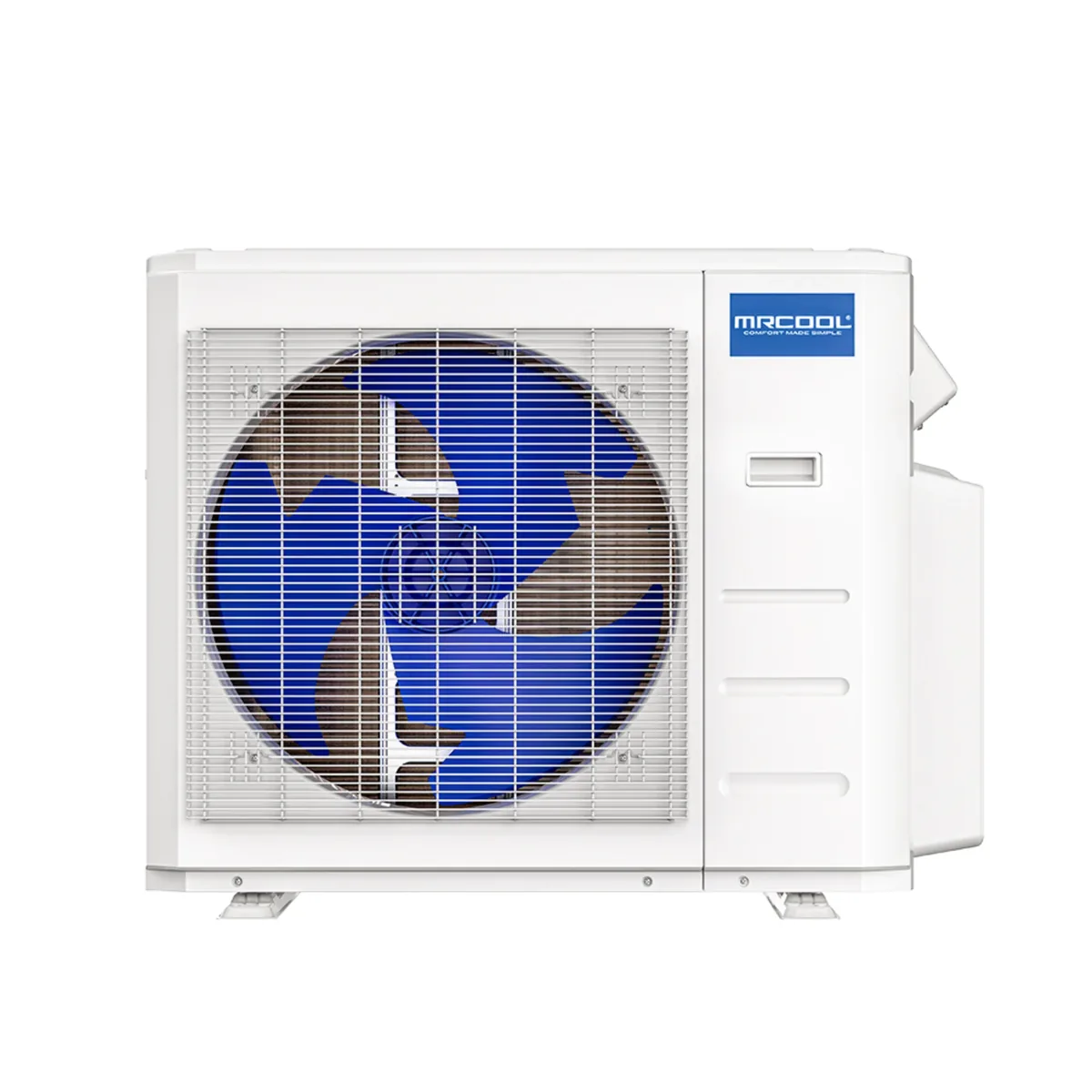
This is the 'zone the whole upstairs' package: a 36k condenser driving three 12k heads, most commonly master, kids' room, and office. At roughly $4,600 it undercuts pro-installed three-zone systems by $6,000-8,000, which is why it shows up constantly in ranch-house retrofit threads. The install is genuinely a weekend for two people, but the complexity is in planning: three wall penetrations, three condensate drains, and three precharged linesets converging on one pad. Owner grumbles mirror the 2-zone — no mixed heating/cooling across zones, and with three small heads the condenser's minimum output can overshoot a single lightly loaded room, so bedrooms can drift a degree or two past setpoint overnight. MRCOOL publishes 21.5 SEER for the multi condenser but no verified HSPF2 for this configuration. If a zone board dies, all three rooms are down until parts arrive — the flip side of the single-condenser convenience. Leftover stock is still the cheapest legitimate path to a zoned, ducted-free house you install yourself.
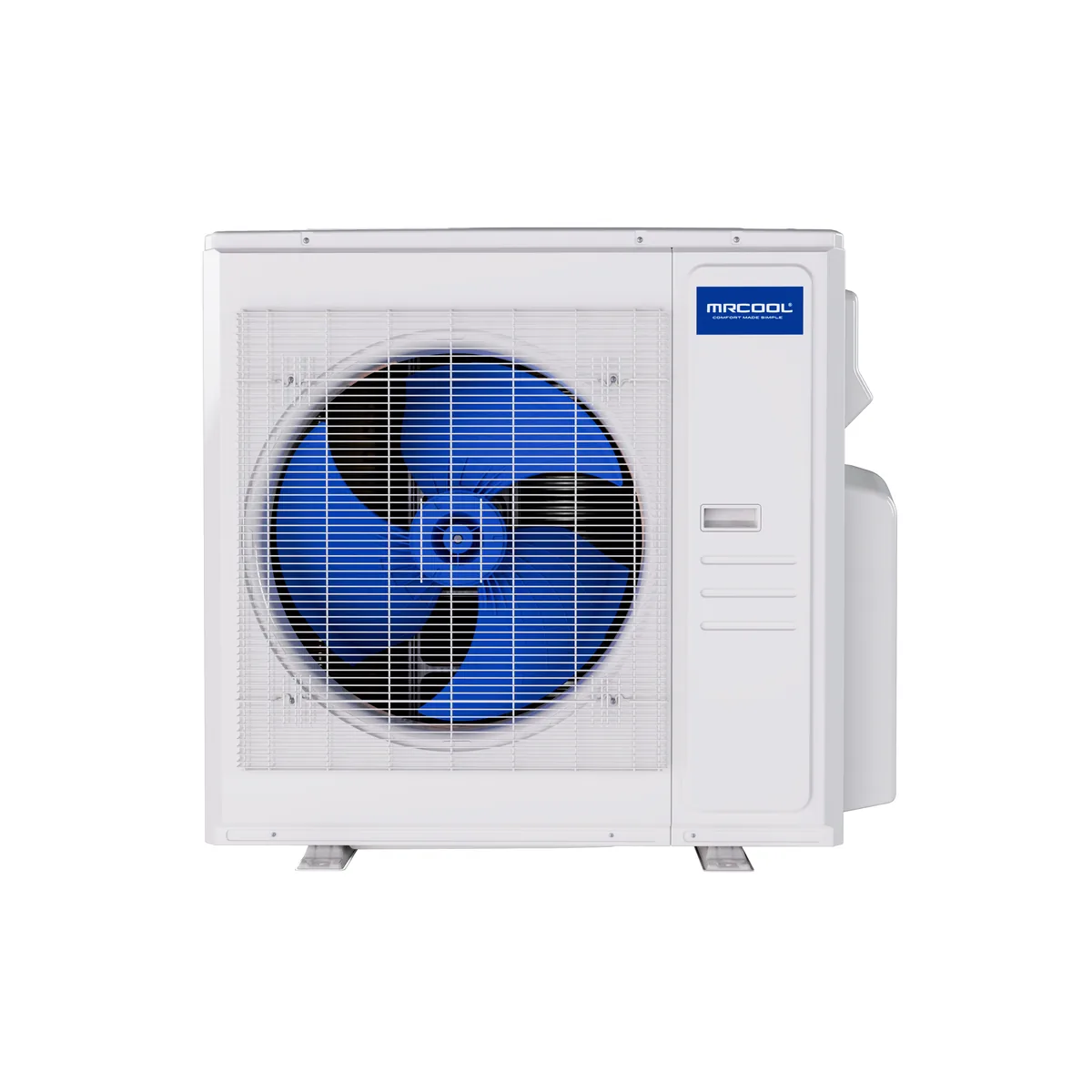
This is the DIY multi with room to grow: MRCOOL's R-454B 5th Gen condenser has five ports, so the three-head bundle priced here (9k, 9k and 12k heads, $5,063 at MRCOOL DIY Direct) leaves two free. It takes over from the 4th Gen 36K 3-zone kit, an R-410A system sold as 12k x3 for about $4,600; no 12k x3 version of the 5th Gen bundle is listed at the retailers checked. The efficiency gain is real and now documented: 23 SEER2 and 9.9 HSPF2 on the AHRI certificate, where the 4th Gen published only 21.5 SEER and no HSPF2. NEEP lists the condenser delivering up to 25,200 BTU/h at 5°F, about 70% of its 36,000 BTU rated heat, at a COP of 2.0, and it carries Energy Star cold-climate status. The architecture hasn't changed. Every zone runs off one compressor, so all rooms heat or all rooms cool, and a board failure still takes out the whole house. MRCOOL's spec pages don't give a minimum heating temperature for this condenser, so that field is blank here rather than carrying over the 4th Gen's -13°F.
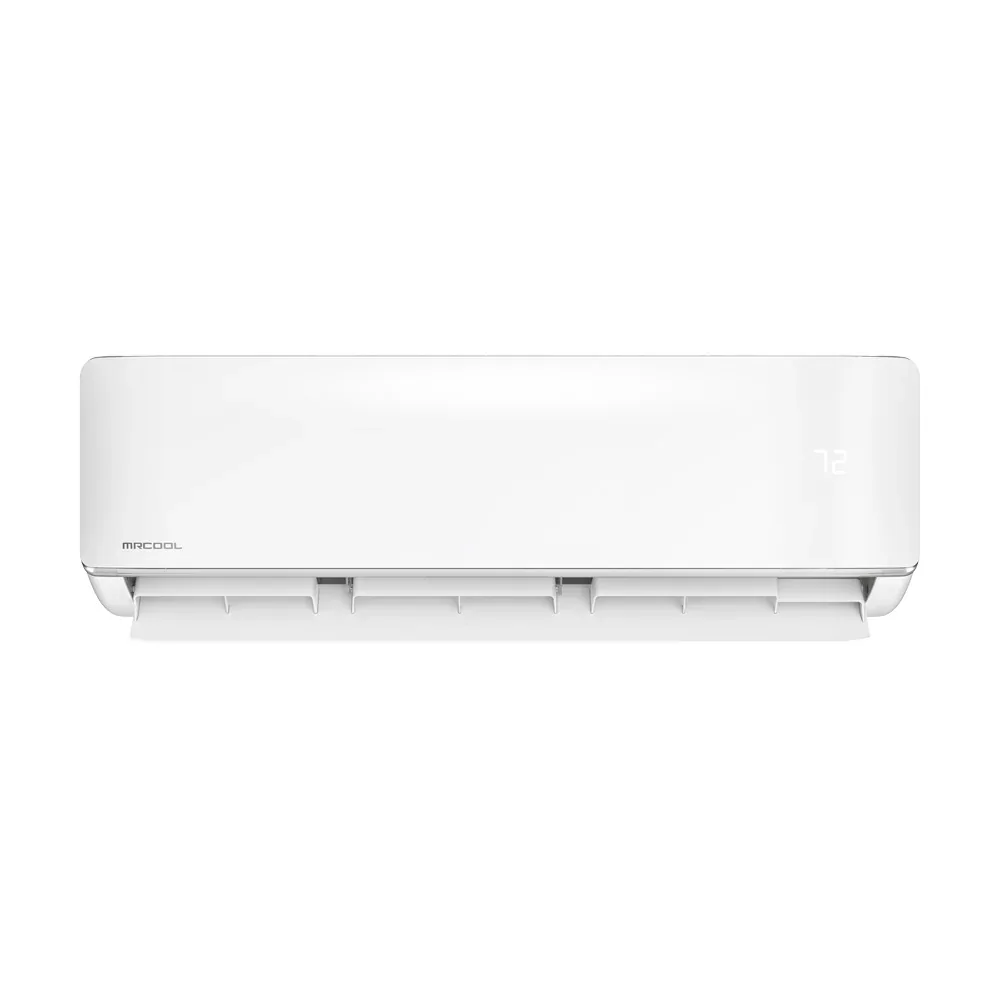
The biggest single head MRCOOL sells for DIY install, the 3-ton 5th Gen is built for one large open space. It takes over from the R-410A 4th Gen 36k, and on efficiency it is essentially the same machine on new refrigerant: 18 SEER2, as before. What's new is a published heating rating. MRCOOL never gave the 4th Gen 36k an HSPF2; the AHRI-certified 5th Gen pairing has one, at 8.5, the lowest of the 5th Gen DIY sizes. NEEP's cold-climate data is the sobering part. Maximum heat at 5°F is 22,000 BTU, about 61% of the 36,000 BTU rating, at a COP of 1.97, the steepest drop-off in the DIY series (only the budget Easy Pro keeps less). So the 36k still makes the most total heat, but it loses the most of it as temperatures fall. The case for it hasn't changed: one quick-connect install for a big open shop, barndominium, or great room, at about $3,469 on sale. Two 18k units would cost about $1,750 more, but they heat more efficiently, make more combined heat at 5°F, and leave you with heat if one fails, which is worth pricing if the space is broken up.
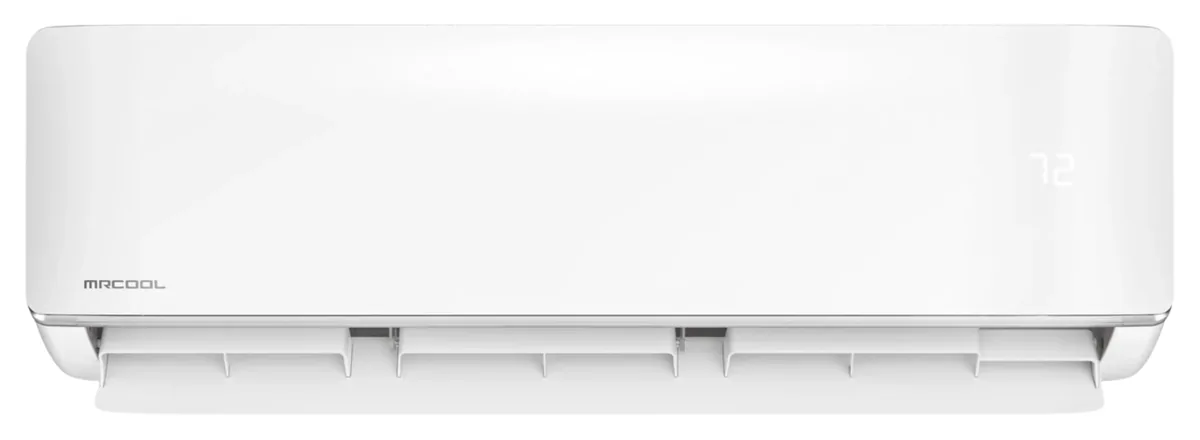
Of the 5th Gen single-zone sizes, the 24k gained the most cooling efficiency: 22.7 SEER2 on the certified pairing, up from 20.5 on the R-410A 4th Gen it replaces, with HSPF2 up slightly from 9.2 to 9.5. Cold-weather output is less impressive. NEEP shows 16,100 BTU of maximum heat at 5°F, about 67% of the 24,000 BTU rating, at a COP of 2.0, and unlike the 12k and 18k it carries plain Energy Star certification but not the cold-climate designation, which matters if a rebate program requires the cold-climate tier. The install is the familiar quick-connect job with heavier lifting. It sells for about $3,029 on sale. For a 750-1,000 sq ft open area in a hot or mixed climate it's a sound pick; for a cold-climate main floor, the 5°F number says to size up or keep backup heat.
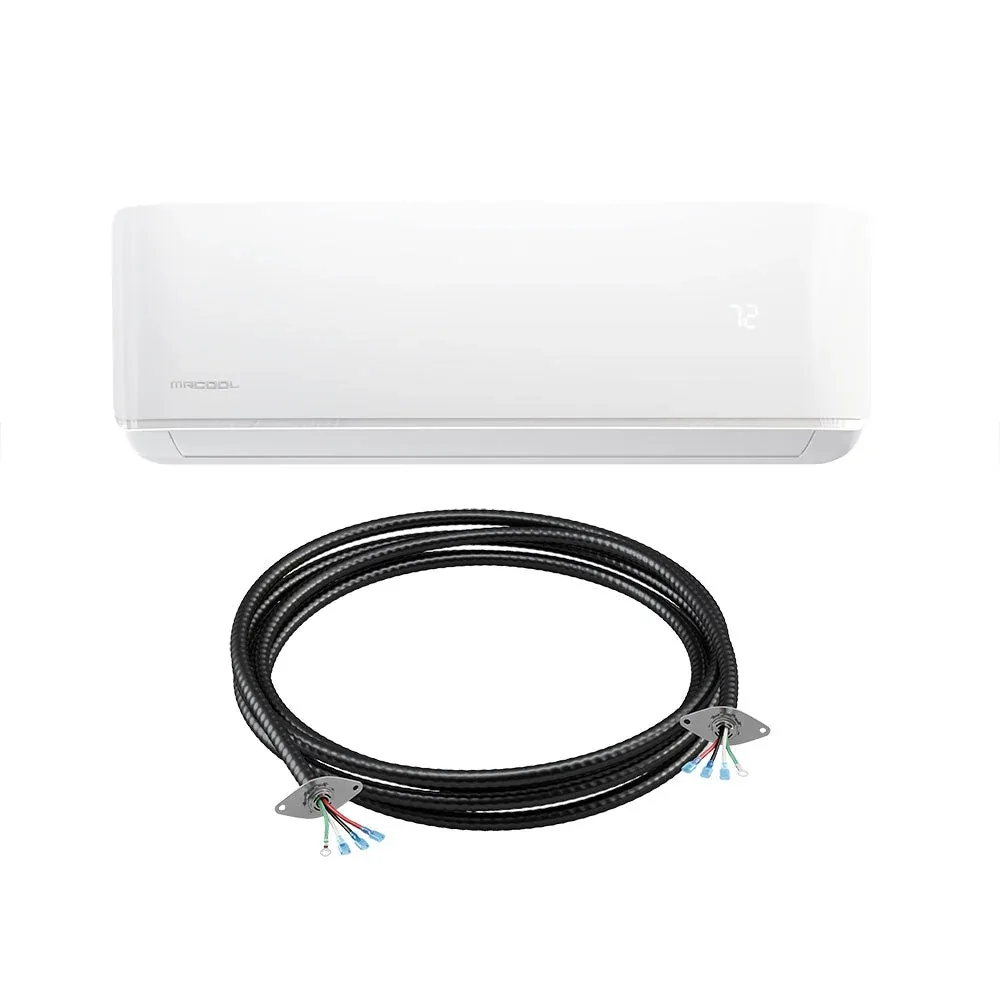
The 3-ton is the brute-force option: one head, 36,000 BTU, up to ~1,500 sq ft of open space. Shop owners and barndominium builders love it because it's the only way to get this much DIY capacity on a single circuit without zoning. Efficiency drops to 18 SEER2 — MRCOOL publishes a legacy 12 HSPF heating figure but no verified HSPF2 for this size, which is why we leave that field empty — so in a hot climate the 24k paired with better insulation is often smarter money. Owner feedback echoes the line-wide pattern: painless install, strong output, occasional board gremlins down the road, and freight damage as the top delivery complaint at this weight. One physics reality check from owner threads: a single wall head cannot evenly condition a 1,500 sq ft house with rooms and doors — this size shines in open shops, garages, and great rooms, not chopped-up floor plans. It's regularly discounted as 4th Gen inventory clears for the 5th Gen.