R-410A, R-454B and R-32: What the Refrigerant Switch Means for a Mini-Split Buyer
Half the mini splits on a retailer's site in 2026 are the last of a generation. Under the EPA's Technology Transitions rule, new residential split systems using refrigerants with a global warming potential above 700 — which means R-410A — stopped being manufactured or imported on January 1, 2025. Their replacements run on R-454B or R-32, and most lines got a new model number and a new generation name in the process. This is what the switch changes for someone buying one now, and what it doesn't.
Is it still legal to install an R-410A mini split?
Yes, federally, as long as the equipment was built before 2025. The original rule also set a January 1, 2026 deadline for installing leftover R-410A split systems, but the EPA finalized a change on May 21, 2026 that removed it: contractors and DIYers can keep installing pre-2025 inventory until it runs out. Two states kept stricter deadlines of their own — New York and Washington — so check your state before buying clearance stock there.
Leftover stock is why the old generation is still everywhere. A '4th Gen' unit at a few hundred dollars off is a legal, working heat pump. The questions worth asking are about the next fifteen years, not about legality.
What a leftover R-410A unit costs you later
The refrigerant itself is being phased down, not banned: R-410A is still made for servicing, but production allowances shrink on a schedule, and the trade press expects prices to climb as they do. That matters for one scenario — a leak in year eight that needs a recharge — and not at all for a system that stays sealed, which a well-installed mini split usually does.
Parts are the other half. Control boards, fan motors and sensors for an R-410A generation stay in the supply chain for years, but the generation is no longer the one makers are building, and warranty terms on clearance units are whatever the box says, not whatever the current line offers. If the discount is small, the newer unit is usually the better buy; if it's large and you're in a mild climate, the old one is a reasonable bet.
R-454B vs R-32: does the new refrigerant matter?
Less than the marketing suggests. Both are A2L refrigerants — mildly flammable, which is why the new generations carry leak sensors and installation clearances the old ones didn't — and both are far below the 700 GWP limit. In our catalog, Daikin, Fujitsu, LG and Gree (including its TOSOT line) went to R-32; Mitsubishi, Midea, Carrier, Bosch and most of the DIY and value brands (MRCOOL, Senville, Pioneer, Cooper & Hunter) went to R-454B. Neither choice tells you much about how well the unit heats.
What does change is compatibility: you can't top off an R-410A system with either new refrigerant, and an R-454B condenser won't run with an R-410A head. Mixing generations in a multi-zone system isn't an option, and neither is reusing a precharged DIY lineset across generations.
The new generations are not just a refrigerant swap
Several lines came back measurably better in the cold. On NEEP's certified listings, MRCOOL's 4th Gen DIY 12k puts out 6,400 BTU/h at 5°F; the 5th Gen that replaced it lists 8,400. Mitsubishi's FX12 hyper-heat lists 16,200 BTU/h at 5°F against a 13,200 rating at 47°F. Not every successor improved, and some got more expensive, which is why each discontinued unit page here links to its replacement, and each old-and-new pair has its own comparison page, with both sets of NEEP numbers wherever the old model is still on the list.
Units mentioned in this guide
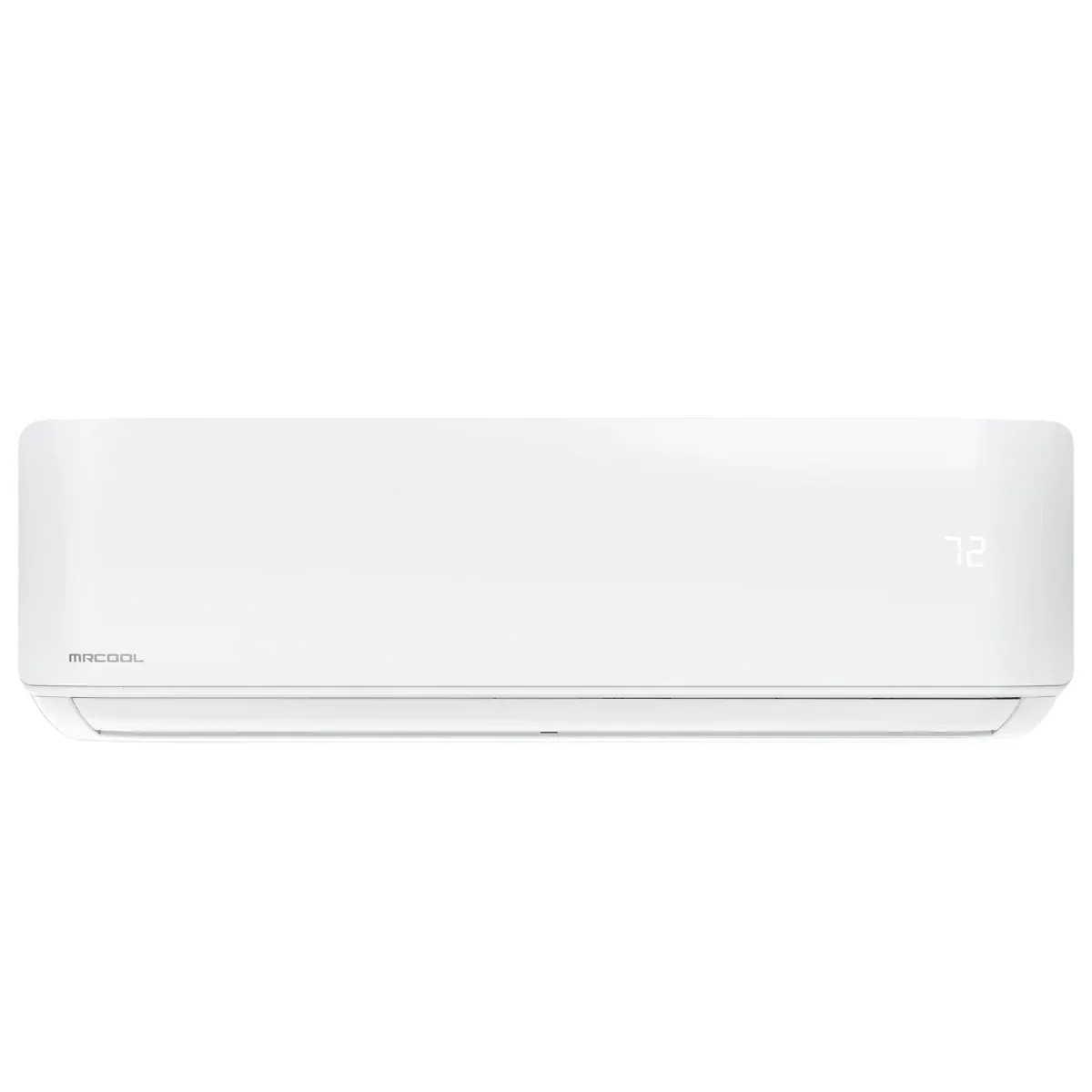
Like the 4th Gen before it, the 5th Gen 12k runs on a 115V circuit, so most panels can feed it without a 240V run, and it installs the same way: precharged quick-connect lineset, half a day with hand tools. What changed is underneath. The refrigerant is now R-454B, efficiency rose from the 4th Gen's 22.5 SEER2 / 9.0 HSPF2 to 23.5 / 10.2 on the AHRI-certified pairing, and the system is on the NEEP cold-climate list at 8,400 BTU of maximum heat at 5°F (about 70% of its 12,000 BTU rating) with a COP of 2.09 there. That 5°F figure is the honest way to read the '-13°F' operating floor: it still runs that cold, but a room sized right on the 47°F rating will come up short on the coldest nights. The price went the wrong way: about $2,370, where the 4th Gen sold for $1,700, though HVAC Pro Sales has run it near $2,060 in a blowout sale. It's also new enough that there is little long-term owner history yet, so the 4th Gen's control-board track record is the best guide to what MRCOOL hardware does in years three to five.
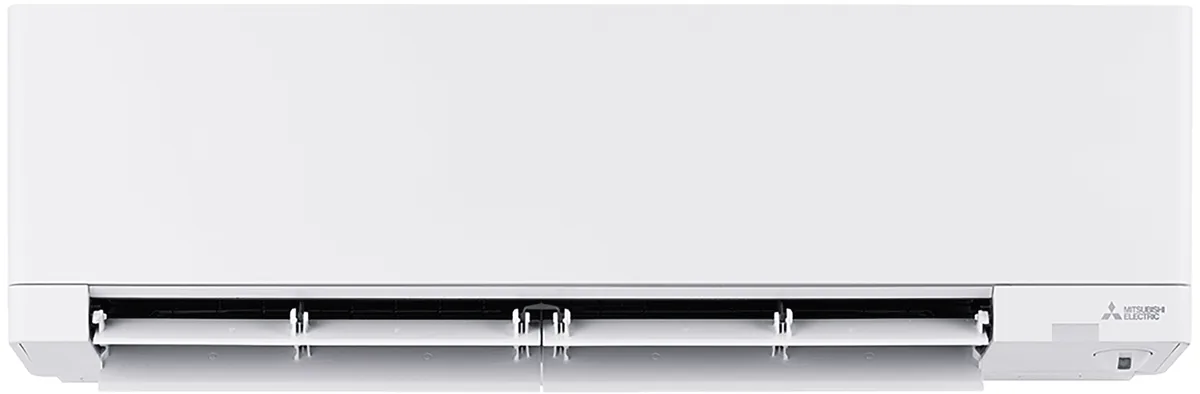
Mitsubishi Electric
Mitsubishi MSZ-FX12NL Hyper-Heat 12,000 BTU
On a 5°F night the FX12 puts out more heat than its own nameplate. Its NEEP cold-climate listing shows 16,200 BTU of maximum heat at 5°F against a 13,200 BTU rating at 47°F, at a COP of 2.2. It is the R-454B successor to the MSZ-FS12NA (Mitsubishi's distributors list the MUZ-FX12NLHZ outdoor unit as replacing the MUZ-FS12NAH), and the jump is bigger than a refrigerant swap. Efficiency went up too, to 29.9 SEER2 and 12.4 HSPF2 (the FS12 was 26.3 and 11.1), and heating is guaranteed down to -22°F where the FS12 stopped at -13°F. The other change people will notice is that Wi-Fi is now built into the head and runs on Mitsubishi's Comfort app, so the separate Kumo Cloud adapter is gone. You pay for all of it: about $3,100 for the system at retail before a contractor's labor, where the FS12 sold for closer to $2,700.
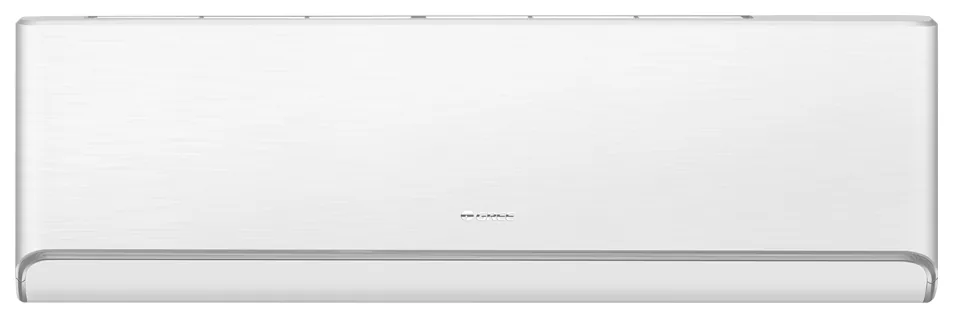
Cooling efficiency is where Gree's R-32 Sapphire moved most: 29.5 SEER2 on its AHRI-certified listing (Gree's brochure says 28), 15.2 EER2 and 10.0 HSPF2. The R-410A Sapphire it replaces (SAP12HP230V1A) carried 24 / 8.5 in this catalog. Heating is still rated down to -22°F. Gree lists 10,300 BTU/h at 17°F, and the 12k carries Energy Star cold-climate designation. The compressor is now a G20 double-cylinder inverter, and the indoor head is rated at 27-43 dB(A). The price is the catch. HVACDirect sells the system at $3,114 before the lineset, install kit and bracket it doesn't include, where the old Sapphire went for about $2,270. That moves the Sapphire out of 'cheaper Hyper-Heat' territory and into direct competition with entry Mitsubishi and Fujitsu cold-climate quotes. On NEEP's list it holds its full 12,200 BTU/h at 5°F, which is excellent, but the R-410A Sapphire already managed 12,000, so what the new generation buys is efficiency rather than winter output.