Gree
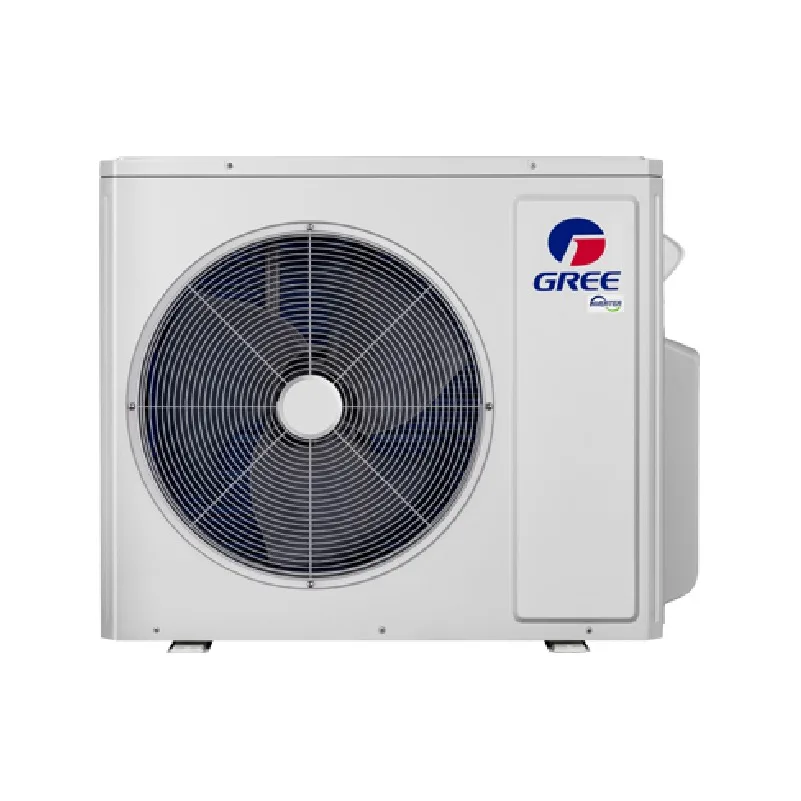
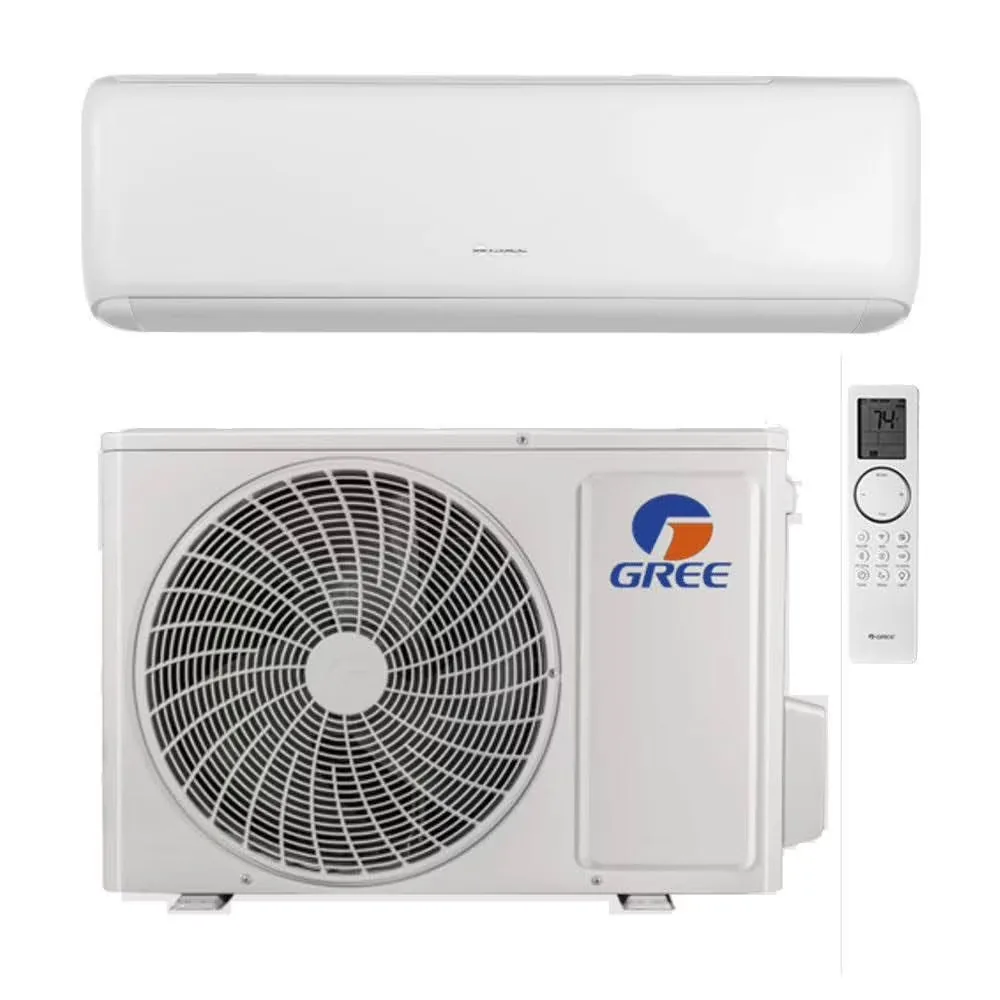
Gree Multi21+ R-32 18,000 BTU 2-Zone
Replaces the Gree Multi Gen2 18,000 BTU 2-Zone (9k+9k Livo).
The headline change on Gree's R-32 two-zone package is the heating floor. Gree now rates the 18k multi condenser, paired here with two Livo 9k heads, for heating down to -22°F, against the -5°F the R-410A Multi Gen2 package listed, which moves it from mid-Atlantic duty into cold-climate consideration on paper. Efficiency barely moves: Gree's submittal gives 21 SEER2, 12.0 EER2 and 10.0 HSPF2 for non-ducted heads (AHRI 215218913), the same as the Gen2. Wi-Fi is factory installed, the compressor is Gree's G20 inverter, and HVACDirect lists a 7-year compressor / 5-year parts warranty with online registration, better than the 5-year parts-only terms the old package had online. The price went the other way. The condenser and both heads now come to about $3,580, where the Gen2 package sold for about $2,400, and linesets are still extra. The usual multi-zone caveats still apply. The condenser's minimum heating output is 7,300 BTU/h, more than one 9k room usually needs on a mild day, and one outdoor unit means one failure takes out both rooms.
Specifications
Cold-weather output
77% of rated heat at 5°FFrom the certified NEEP cold-climate listing for this pairing; Gree rates it to run down to -22°F.
- Rated heat at 47°F
- 18,000 BTU/h
- Max heat at 5°F
- 13,800 BTU/h
Pairing: MUL18HP230V1R32AO with non-ducted heads. Checked September 30, 2026 on NEEP's ccASHP list; a different head or condenser posts different numbers.
Highlights
Pros
- ✓Gree rates heating down to -22°F, up from -5°F on the Multi Gen2 package it replaces
- ✓Wi-Fi factory installed, so you don't need an adapter for app control
- ✓Warranty is now 7-year compressor / 5-year parts with registration, up from 5-year parts only online
- ✓Takes Livo, Vireo, Envo or Sapphire wall heads as well as cassettes, slim duct, floor/ceiling and console units
Cons
- ✗About $3,580 for the condenser and two heads, roughly $1,170 more than the old package, and linesets are extra
- ✗Minimum heating output of 7,300 BTU/h is more than one lightly loaded 9k room needs, so expect cycling when only one zone calls
- ✗One condenser: a fault takes out both rooms
- ✗Cold output is unchanged from the R-410A Multi: NEEP lists 13,800 BTU/h at 5°F with non-ducted heads, about 77% of rated, against the old condenser's 13,600
- ✗R-32 heads only: you can't reuse an existing R-410A Livo
Common Questions
Should I buy an old R-410A Multi Gen2 instead if I can find one?
Is it really a cold-climate system now?
What isn't included in the package price?
Can I mix head types or add a different style later?
Will one small bedroom hold temperature well?
Compare the Gree Multi21+ R-32 18,000 BTU 2-Zone
Related mini-splits
More from Gree →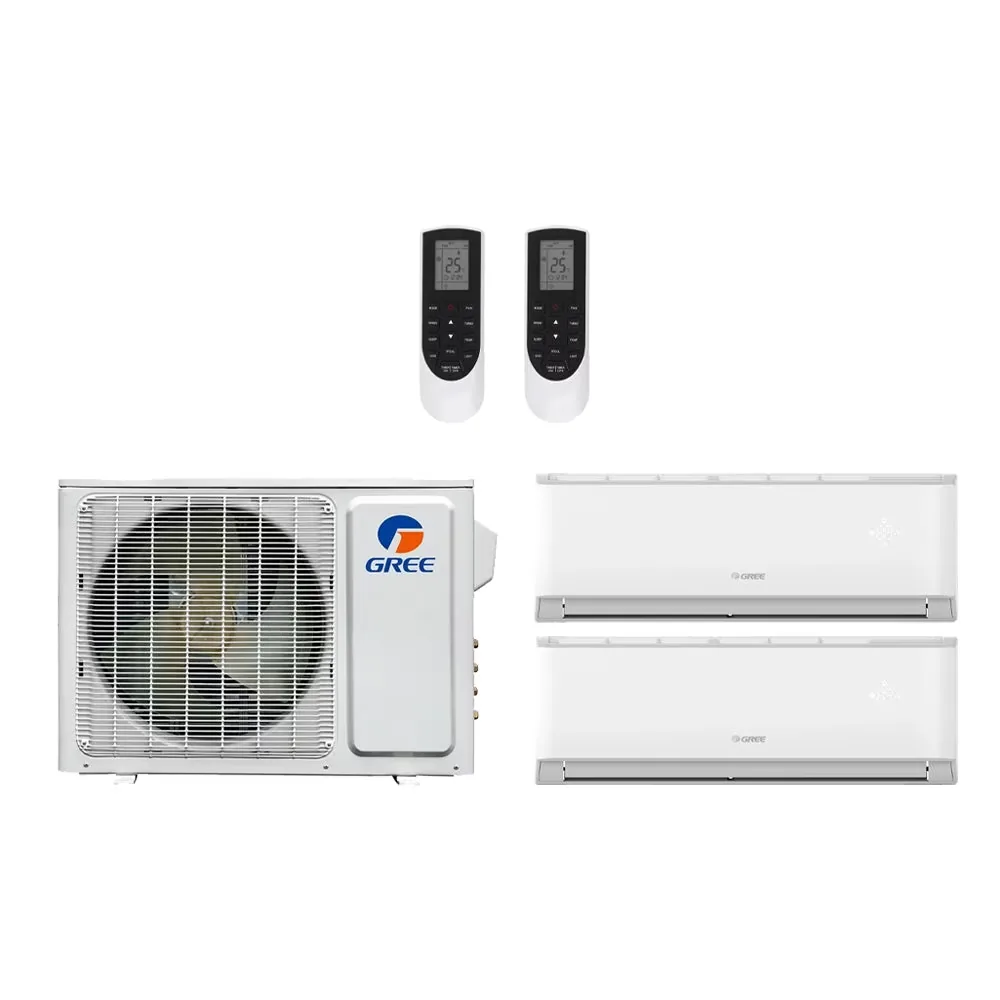
Gree is the world's biggest AC manufacturer — it builds compressors half this list depends on — and the Multi Gen2 is the R-410A package that Gree has since replaced with the R-32 Multi21+. This 9k+9k Livo package lands between the bargain imports and the Japanese brands: 21 SEER2, 10 HSPF2, G10 inverter compressor, and heads as quiet as 26 dB. Same multi-zone gospel from HVAC owner discussions appliy: one condenser equals one point of failure for two rooms, and the minimum modulation floor of an 18k outdoor unit oversizes any single 9k call, so expect more cycling than two singles would produce. The Gen2's rated heating floor of -5°F is workable in the mid-Atlantic and mild Midwest but short of the -22°F cold-climate claims Senville makes — Gree's own low-ambient answer is the pricier Multi Ultra series. HVACDirect shows this R-410A condenser out of stock, so confirm availability before you get a quote built around it.
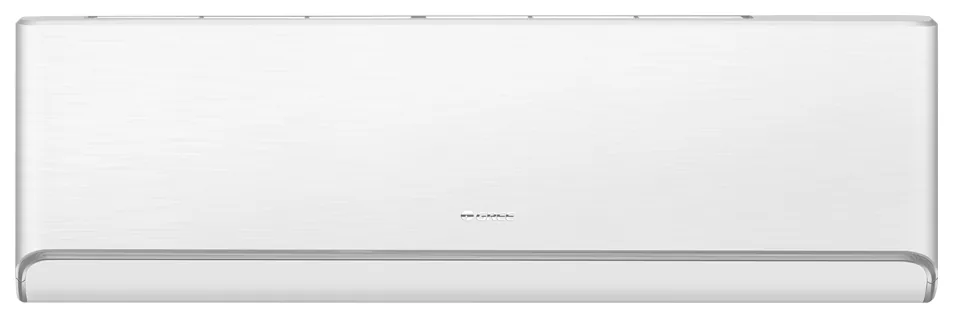
Cooling efficiency is where Gree's R-32 Sapphire moved most: 29.5 SEER2 on its AHRI-certified listing (Gree's brochure says 28), 15.2 EER2 and 10.0 HSPF2. The R-410A Sapphire it replaces (SAP12HP230V1A) carried 24 / 8.5 in this catalog. Heating is still rated down to -22°F. Gree lists 10,300 BTU/h at 17°F, and the 12k carries Energy Star cold-climate designation. The compressor is now a G20 double-cylinder inverter, and the indoor head is rated at 27-43 dB(A). The price is the catch. HVACDirect sells the system at $3,114 before the lineset, install kit and bracket it doesn't include, where the old Sapphire went for about $2,270. That moves the Sapphire out of 'cheaper Hyper-Heat' territory and into direct competition with entry Mitsubishi and Fujitsu cold-climate quotes. On NEEP's list it holds its full 12,200 BTU/h at 5°F, which is excellent, but the R-410A Sapphire already managed 12,000, so what the new generation buys is efficiency rather than winter output.
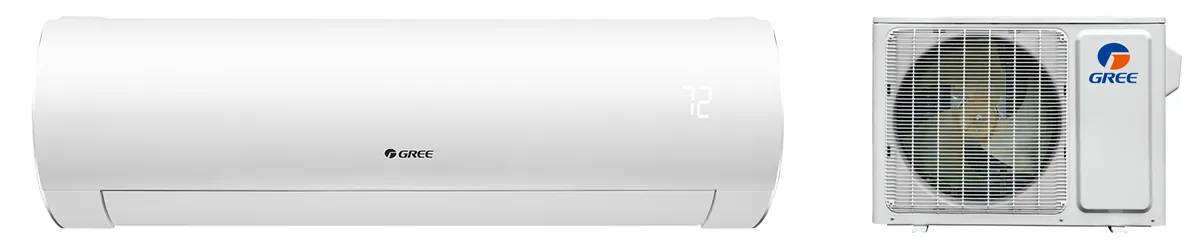
The Sapphire is Gree's flagship answer to Mitsubishi Hyper-Heat, and Gree — the world's largest AC manufacturer, building hardware for half the industry — meant it as a statement: rated heating operation down to -22°F, a G10 inverter compressor, built-in WiFi, and Energy Star certification. Under the old metrics it advertised a famous 30.5 SEER / 14 HSPF; under today's tougher SEER2/HSPF2 tests the published numbers land lower and vary confusingly by pairing and refrigerant generation (R410A vs the newer R32 versions), which is worth knowing before you compare spec sheets across retailers. HVAC owner discussions generally rate the Sapphire as the budget-conscious cold-climate pick that actually delivers in northern winters, with the standing Gree caveats: distributor-dependent warranty service, parts that move slower than Mitsubishi's Diamond network, and street prices that have crept close enough to entry Mitsubishi to make you think. If you find leftover stock and the quote gap is real, it's a strong buy.
The Vireo is Gree's volume seller — the sensible middle of their range — and the Gen3 R32 refresh quietly turned it into a sleeper cold-climate unit: 24.5 SEER2, HSPF2 up to 9.5, and a published heating operating range that now reaches -22°F, territory that used to require stepping up to the Sapphire. At the $1,600-$2,100 street prices Home Depot and the wholesalers post, that's one of the cheapest paths to genuine low-ambient heating from a manufacturer that builds its own compressors. The honest fine print: '-22°F operation' is not '-22°F full capacity' — Gree doesn't publish the same NEEP-style capacity-retention story Mitsubishi does, so treat it as strong shoulder-to-deep-winter gear with backup for design-cold snaps. WiFi means adding a Cielo-style controller (~$130), the warranty wants online registration and a professional install, and resale recognition is a fraction of the Japanese brands'. As a value-for-cold-climate play, it's hard to argue with.
Fujitsu General
Fujitsu AOUH24KWAS3 24,000 BTU 3-Zone Multi
Few 24k multis take as wide a choice of indoor units: this R-32 Airstage condenser runs two or three heads from wall, slim-duct, mid-static duct and compact-cassette units. GotDuctless lists it as the replacement for the discontinued AOU24RLXFZ, which did the same job on R-410A. With wall heads it carries an AHRI rating of 23 SEER2 and 10.5 HSPF2; the old unit's 18 SEER / 9.5 HSPF were pre-2023 ratings, so the numbers don't compare directly. It is also on the NEEP cold-climate list, at 19,200 BTU of maximum heat at 5°F against 24,000 rated at 47°F, about 80%. Fujitsu still rates heating operation only down to 5°F, though the submittal says there is no low-temperature cutout and it keeps running below that at untested capacity. Buyers who need certain output below 5°F should look at the extra-low-temp AOUH24KWAH3, which runs to -15°F. The multi-zone tradeoffs still apply: one compressor serves every room, and a single small head calling alone can make it cycle.
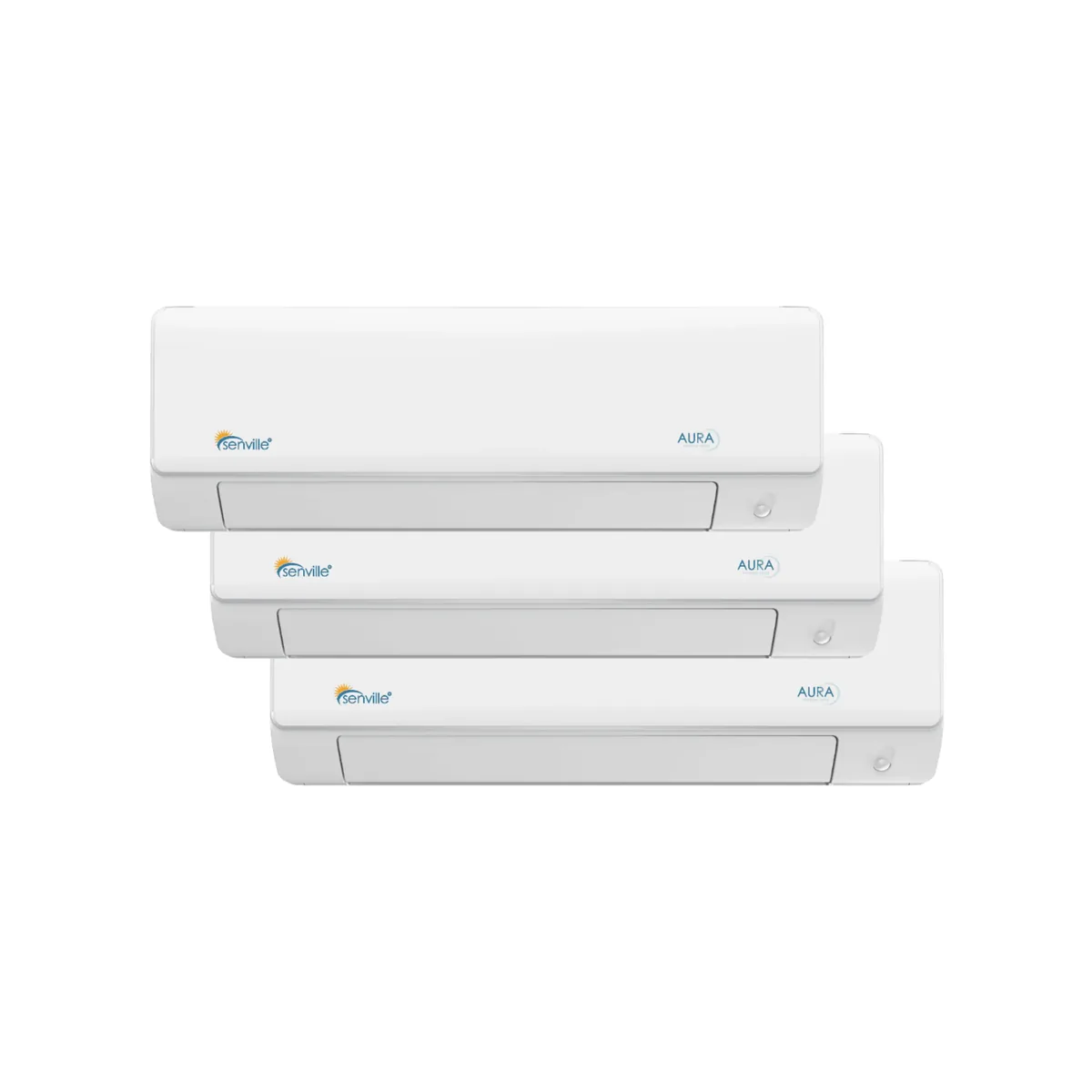
Three zones of cold-climate-rated heat pump for the price of one premium single — that's the pitch, and on paper it's compelling: 23 SEER2, ENERGY STAR, -22°F heating, Alexa control, all heads and line sets in the box for about $2,700. Now the HVAC owner discussions reality check, which matters more the more zones you stack on one compressor: this is a single point of failure for three rooms, and a 27k condenser serving one 9k head on a shoulder-season day is badly oversized for the call, so it cycles instead of cruising. Multis also lose a few SEER in real mixed-load operation versus their rating. Three singles would beat it on comfort and resilience but cost more in equipment, circuits, and wall penetrations. If your budget or site forces the one-condenser answer, this is among the cheapest credible ways to do it — just size heads to rooms honestly (skip the temptation to upsize) and line up a local tech who'll service off-brand gear.