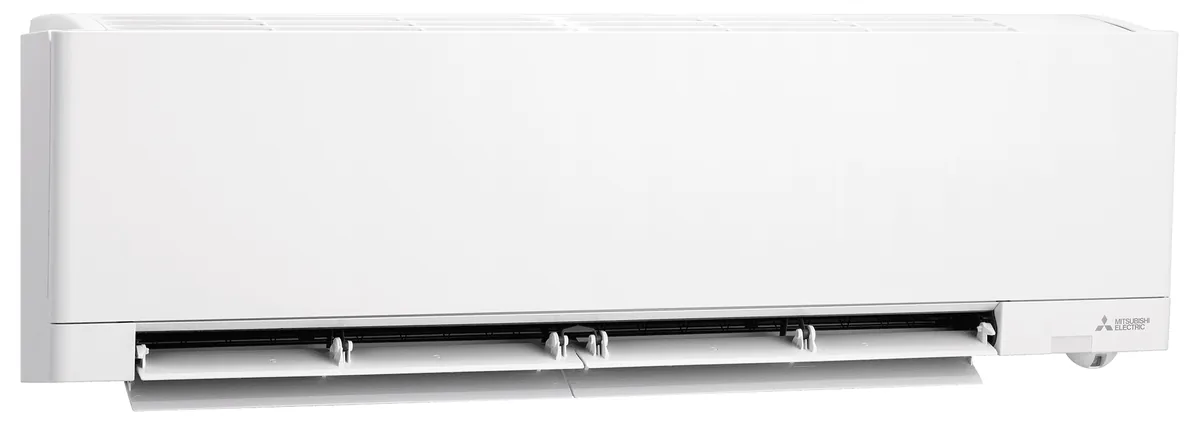
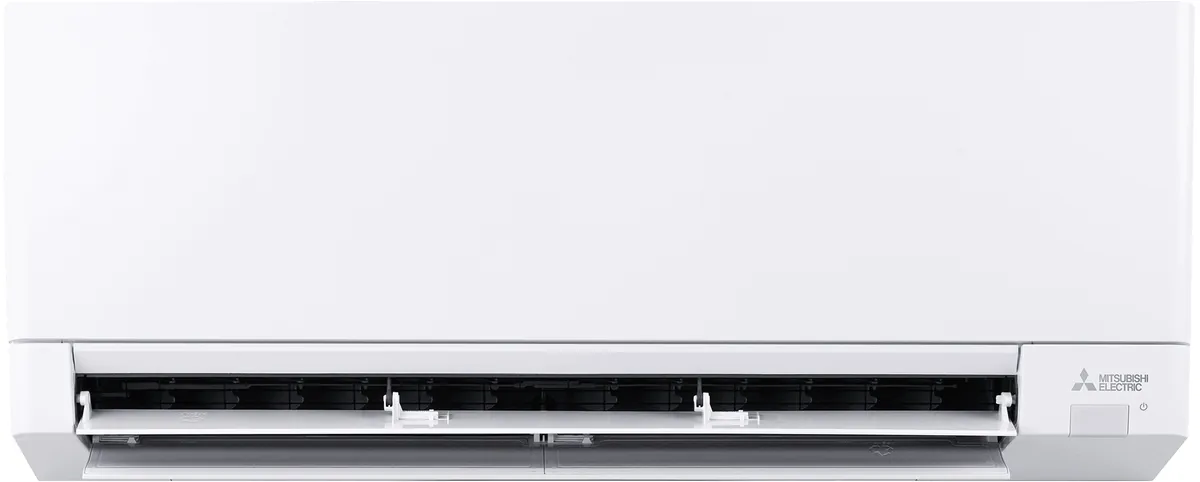
At 24,000 BTU this is the largest single-zone wall unit in Mitsubishi's GX range. It is rated 21.5 SEER2 and 10 HSPF2, publishes a maximum of 32,000 BTU of heat, and carries the Hyper-Heat guarantee to -22°F. That makes it one of few wall-mounted ductless options that can heat a whole open-plan floor of about 1,000 sq ft in a cold climate without backup, although a wall head only moves air in the room it is in. At $4,800 for equipment it is the most expensive entry among its brand-name rivals, and many buyers will price a Fujitsu or Daikin 24k against it. The lineset is 5/8 inch on the suction side, so confirm that your run and wall penetration can take it.
- 24k BTU, 32k max heat
- Larger installer network than Fujitsu
Covers the Mitsubishi M-Series wall units (FS/FX, GL/GX, EX, WX) line as a whole, summarised from 440 owner discussion threads, with the replies on the 12 most-discussed.
Most buyers pick Mitsubishi wall units for reliability and installer support, and the owners who are happy tend to stay happy. A Vermont household on its fourth winter with an 18k and a 12k cold-climate pair says the units kept running through a -16F morning and kept the house mostly warm. Another owner's 3/4-ton unit iced into a block in a storm and was still blowing 110F air. Others describe single heads that have run for years without trouble. Owners also say the units feel plain next to cheaper brands: no factory Wi-Fi, no coil dry-out after cooling, and no temperature display on the head.
The complaints are mostly about control, not hardware. The sensor sits in the head, high on the wall and near the warm air leaving it. One reply puts it at 4-6 degrees above the room, with a 2-3 degree swing before the unit reacts. In winter that shows up as a head blowing lukewarm air on low fan while the room stays cold. On multi-zone systems, small bedroom heads such as a GX09 can push a room far past the setpoint: one owner set 54F and got 74F, with 125F air coming out. One owner who wired a home-built external temperature sensor into the system says it halved the energy use, though another with the iSee sensor still had cool air in sub-zero weather. Running costs at New England electricity rates shock some owners, and a few multi-zone systems needed repeated service calls. One Boston household lost three compressors and two control boards in four years on a five-head system.
The evidence fits cold-climate buyers who want a dealer-installed system and plan to sort out temperature sensing early, or to size outdoor units 1:1 so small bedroom heads are not overdriven. Owners agree that install quality and sizing matter as much as the brand.
What owners like
- +Cold-climate wall units keep heating in deep cold: a Vermont owner's 18k and 12k pair kept the house mostly warm on a -16F morning
- +Copes with abuse: one 3/4-ton unit iced over in a storm was still holding its basement at setpoint with 110F air at the head, and owners clear ice by running cooling mode briefly or rinsing with warm water
- +Bought for reliability, and several owners report years of trouble-free running, from a single bedroom head since 2021 to a whole house converted to heat pumps
- +Responds well to better temperature sensing: one owner who wired a home-built external temperature sensor into the system says it cut energy use roughly in half
- +Dry mode wins praise from one humid-summer owner, who finds a bedroom cooler and more comfortable than in cooling mode
- +Authorized installers are easy to find, while buyers in some areas cannot find a local dealer for Gree or MrCool
Common complaints
- −The sensor in the head reads warm, which one reply puts at 4-6 degrees above the room with a 2-3 degree swing, so in cold weather a head can sit on low fan blowing lukewarm air
- −On multi-zone systems, small bedroom heads overheat their rooms: a GX09 set to 54F held 74F, and others report bedrooms at 73-75F while the main floor struggles to reach 68F
- −Some heads will not ramp up when the room falls behind: an FS18 stayed near 1.5-2kW until the fan went to high, and an FX12 left a living room at 61F on a -2F day
- −Expensive to buy and run: one quote worked out to about $3,440 per head installed, and a well-insulated 1,050 sq ft house saw a $650 January bill at Massachusetts rates
- −After a cooling cycle the wet coil puts moisture back into the room, and one owner says Dry mode did not help, so they also run a dehumidifier
- −Plain feature set: no factory Wi-Fi, no coil dry-out, no temperature readout on the head, and the remote will not set heat below 61F (the app goes down to 51F)
- −Failures do happen: one five-head multi-zone system lost three compressors and two control boards in four years, and another needed seven service calls in its first winter
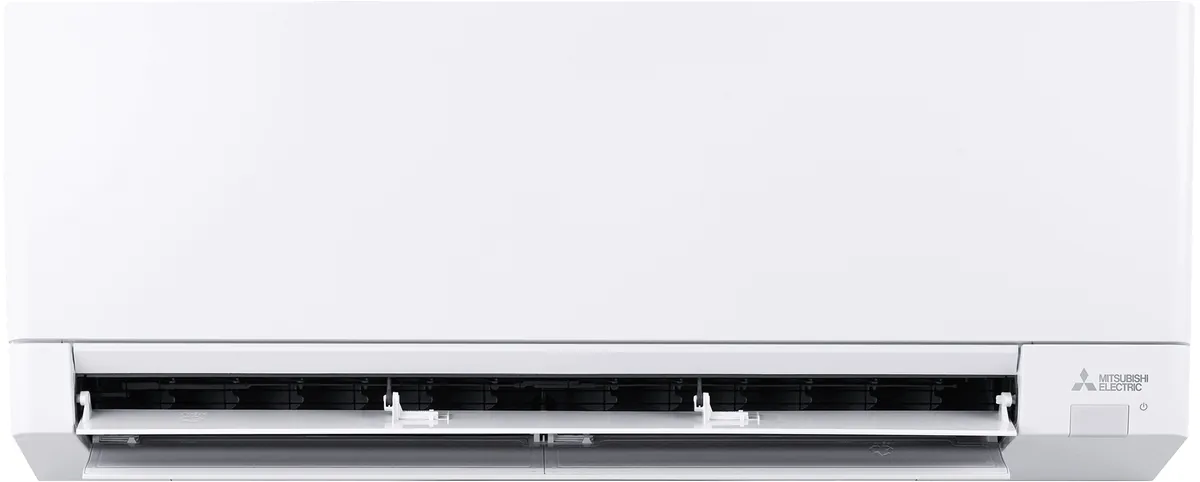
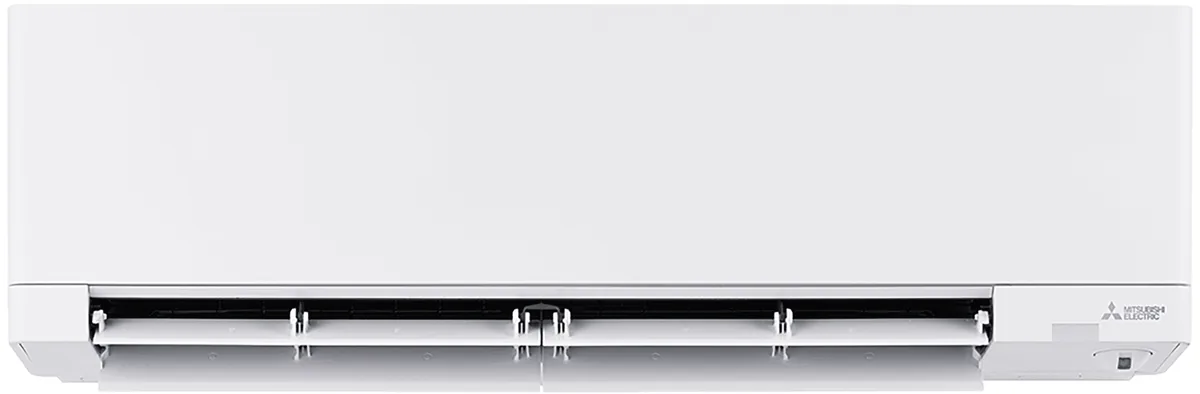 Series photo