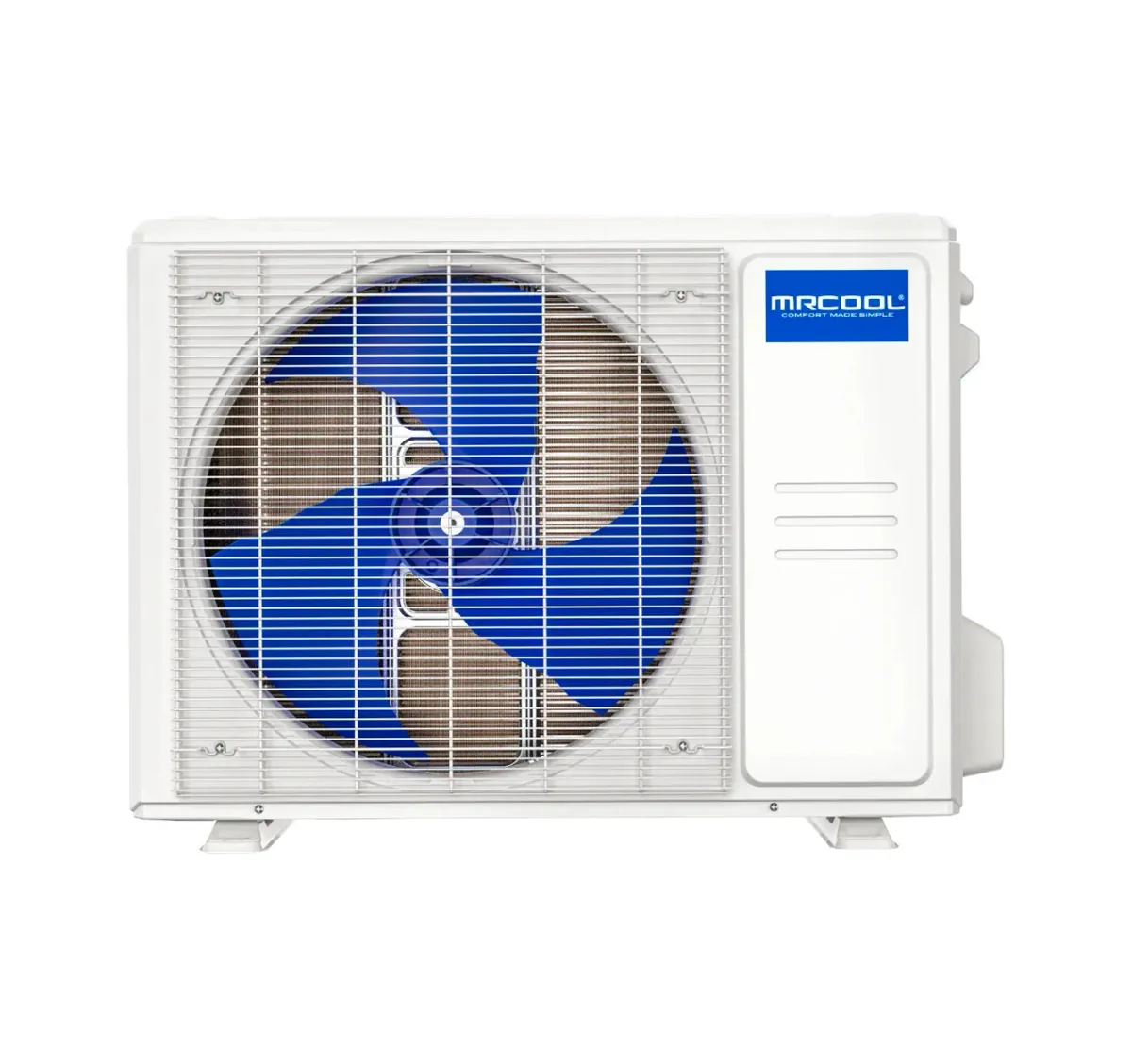
MRCOOL · Single-Zone DIY
~$1,599
MRCOOL Easy Pro 5th Gen 12,000 BTU
A bedroom or office in a mild climate, with the condenser right outside the wall and no 240V circuit nearby.
- BTU/h
- 12k
- Volts
- 115
- Refrig.
- R-454B
- SEER2
- 19.5
- HSPF2
- 9.3
- Heats to
- 5°F
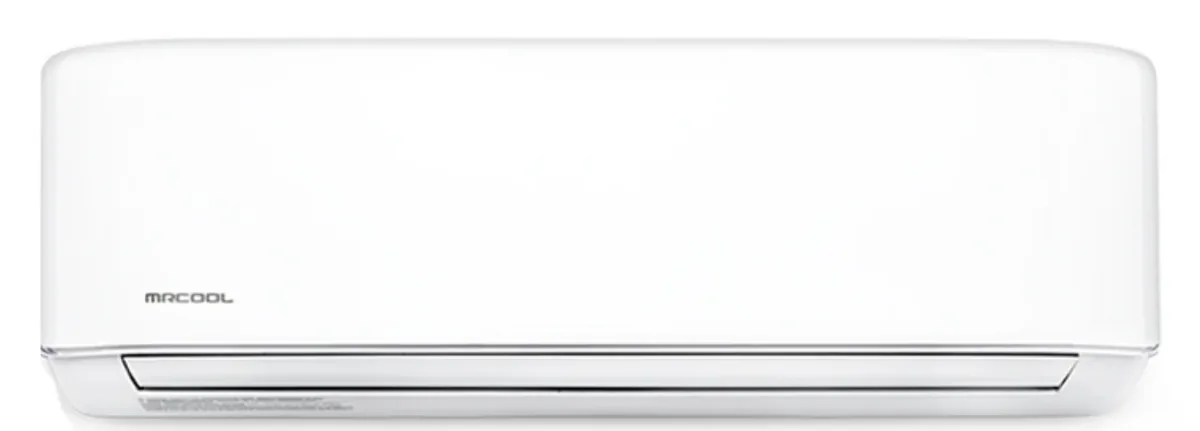
MRCOOL · Single-Zone DIY
DIY-12-HP-WM-115C25
~$1,700approximate retailer price at last check, equipment only
Paid link: this site earns a commission on qualifying purchases. The price on Amazon may differ.
Discontinued. MRCOOL replaced it with the MRCOOL DIY 5th Gen E Star 12,000 BTU. Leftover stock still turns up; the specs below are for this model.
Best forFirst-time DIYers conditioning a 400-500 sq ft garage, ADU, or bonus room off a standard 115V circuit.
This is the unit that made 'DIY mini-split' a real category, and the 4th Gen E-Star is the version most owners have. The precharged quick-connect lineset genuinely works — most people report a half-day install with basic hand tools — and 115V power means no new 240V circuit for a garage or bonus room. Owners consistently praise how quiet it is and how well it holds temperature; the honest knocks are on longevity, not setup. The most common failure threads involve communication/control boards and, on earlier gens, slow condenser leaks a few years in; MRCOOL's warranty covers parts but owners report slow phone support and paying shipping on replacement parts. One more consideration: 4th Gen is R-410A and being cleared out for the R-454B 5th Gen, which is why prices swing so much (Costco and Home Depot deals have dipped well under list). If you can turn a wrench and read a torque spec, a discounted 4th Gen is still a sound buy, though the 5th Gen is now the default answer.
At 5°F it still makes 53% of its rated heat, according to the certified NEEP listing for this pairing. MRCOOL rates it to keep running down to -13°F.
Pairing: DIY-12-HP-C-115C25 with DIY-12-HP-WMAH-115C25. From NEEP's ccASHP list; a different head or condenser posts different numbers.
Covers the MRCOOL DIY (4th and 5th Gen) line as a whole, summarised from 75 owner discussion threads, with the replies on the 12 most-discussed.
Owners who have lived with MRCOOL DIY systems mostly talk about them as the cheap, do-it-yourself way to get a heat pump into a garage, shed, outbuilding or a few rooms. Several owners describe the install as easy: one dual-zone 18k owner put the cost at about a third of a comparable installed Mitsubishi, another says it saved them $9,200 in labor, and an owner who has installed about five in a garage and individual rooms says they have been working well so far and is considering another. A common attitude is that if the unit dies in seven years they will buy another and still be ahead. A 5th Gen 18k owner running it alongside an oil boiler ran the numbers through a fuel-cost calculator and concluded the heat pump is cheaper than oil at their prices. Most of the specific multi-zone ownership stories come from 4th Gen systems (27k and 36k outdoor units with 9k to 24k heads).
The problems owners bring back are leaks and multi-zone quirks. One 27k multi-zone owner had a good first six months, then heads freezing over, eventually weekly, which turned out to be a refrigerant leak; another had a leaking low-pressure switch that led to a compressor warranty swap and left them unsure how to reconnect the sealed line set without letting air in. On a two-zone system, an idle head and its attic line set sweated and dripped into the house while the other zone ran, and heads piped through an attic need a condensate pump that one owner could not find listed for the small 9k wall unit. In the cold, a 24k garage owner who calls the install poorly done says it does not come close to its published efficiency, a reply says it works only a little below zero, and another points out the ductless DIY line is not a hyper-heat unit. The newer DIY Easy Pro on R-454B needs a 7.3 ft minimum room height, and MRCOOL told one buyer not to go below it in a 7 ft basement.
By the evidence, it suits handy owners conditioning a garage, shop, outbuilding or a few rooms who value the precharged quick-connect line sets over a long service life. Owners who have installed both kinds say a standard flare-and-vacuum mini-split is only a little more work and more flexible, and a couple would skip the quick-connect next time. Expect that local techs may not want to touch it.
Yes — this is the unit that created the DIY category. The 25-ft lineset ships precharged with quick-connect fittings, so there's no vacuum pump, no gauges, and no EPA license involved: you hang the air handler, set the condenser, torque the connectors, and open the valves. Most owners report a half-day install with basic hand tools, and the huge install base means there's a YouTube walkthrough for every step. The one thing to get right is torque — fittings that aren't tightened exactly to spec are the source of the slow refrigerant seeps some owners report years later.
MRCOOL rates it for up to 500 sq ft, and that's realistic for a reasonably insulated 400-500 sq ft garage, ADU, or bonus room. An uninsulated garage in a hot climate or a room with big single-pane windows will effectively shrink that number, so treat 500 as the ceiling, not the target.
No — the 12k is the one size in the DIY line that runs on 115V, which is a big part of its appeal. You still need a dedicated circuit rather than sharing an existing outlet, but you avoid the $300-800 electrician bill that the 18k and larger 230V models often add.
It's rated to heat down to -13°F with a 9.0 HSPF2, which makes it legitimate primary heat for a garage or bonus room in most of the country. Like any air-source heat pump, output tapers as temperatures approach that floor, so in genuinely cold climates plan on it carrying the space most days with backup available for the coldest snaps.
Owner threads consistently point to the communication/control board as the most common repair on the DIY series. The 7-year compressor / 5-year parts warranty (with registration) covers the part itself, but it's parts-only — you pay shipping and do the swap yourself, and MRCOOL's email-and-photos support process can stretch to weeks. Also worth knowing: this 4th Gen runs R-410A, which is being phased out in favor of the 5th Gen's R-454B, so long-term parts and refrigerant availability is a fair question.
MRCOOL · Single-Zone DIY
~$1,599
A bedroom or office in a mild climate, with the condenser right outside the wall and no 240V circuit nearby.
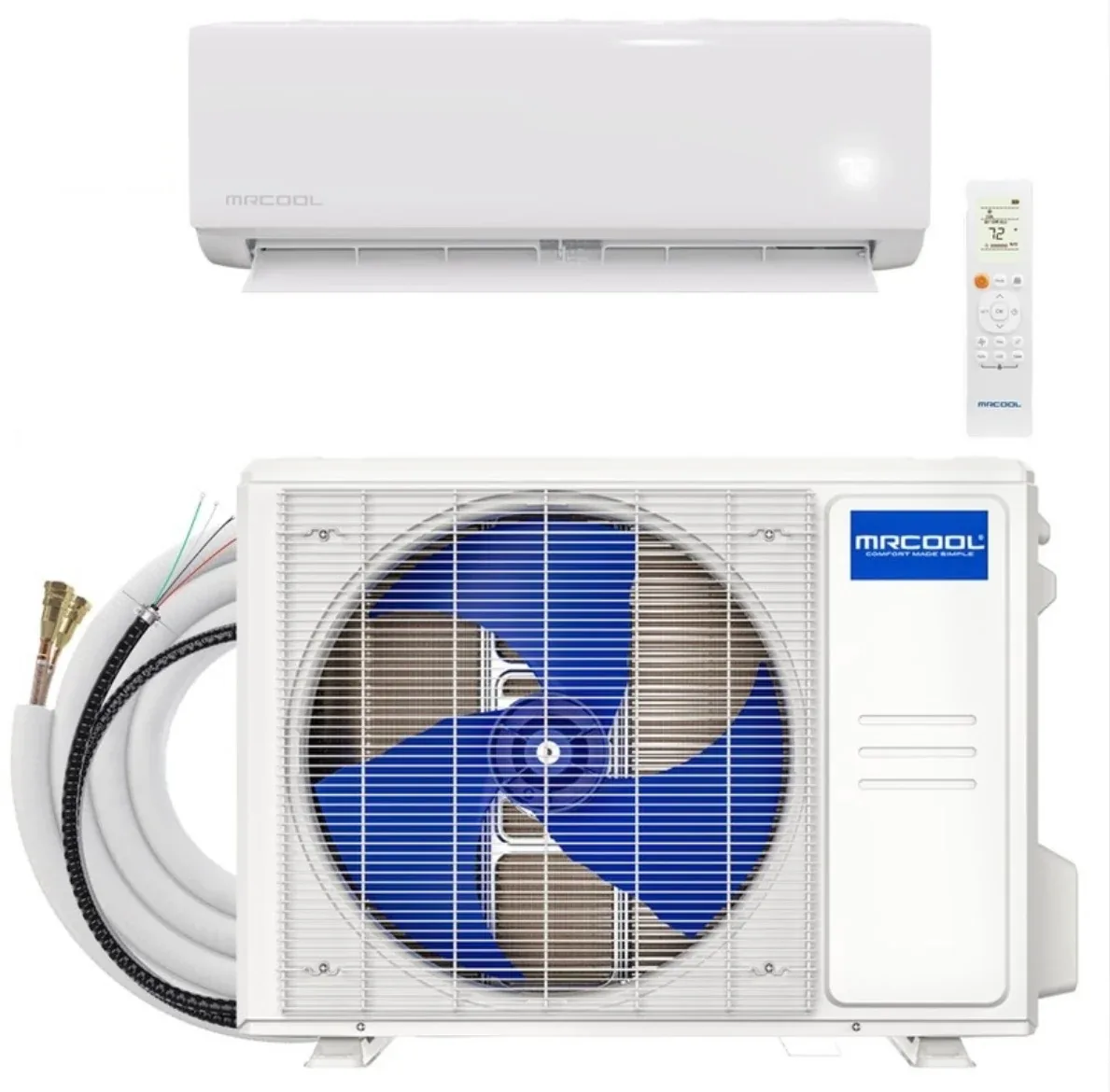 Series photo
MRCOOL · Single-Zone DIY
~$1,806
A garage, workshop or mild-climate living room where the lowest price for a self-installed 18k matters more than winter output.
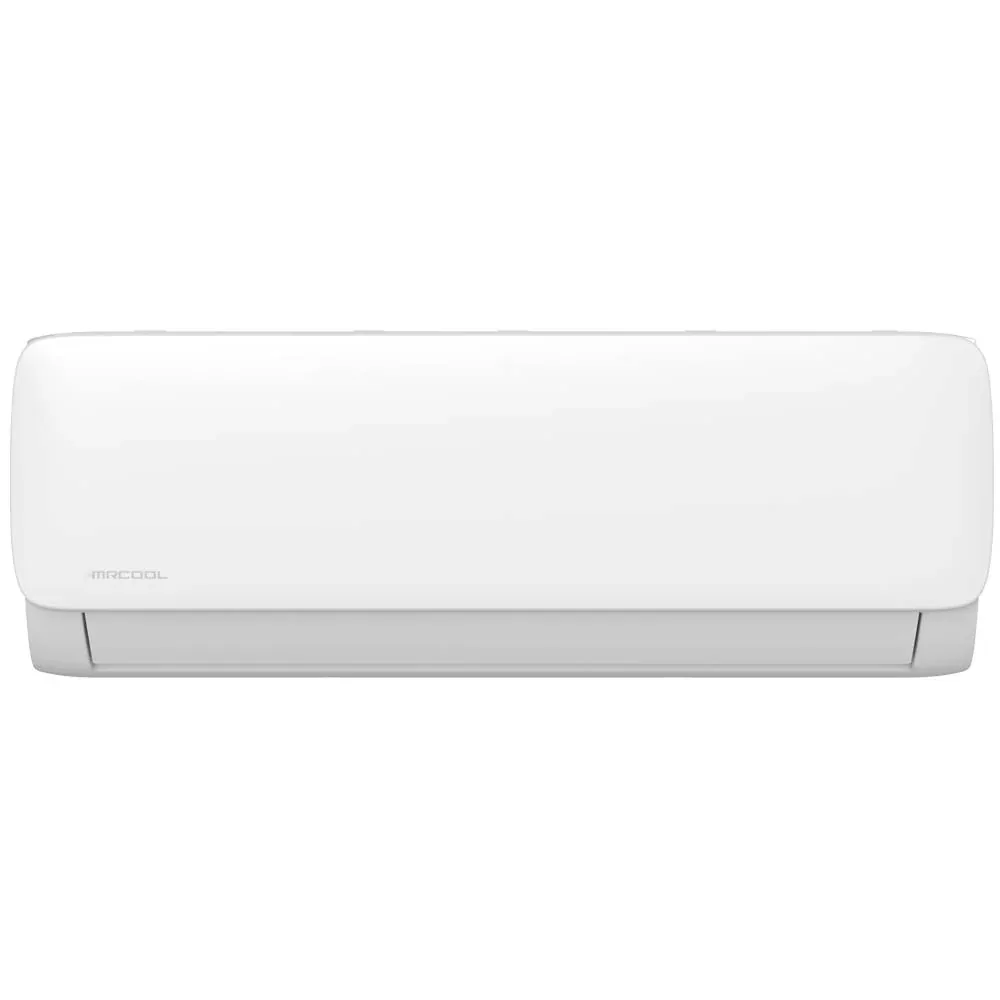 Discontinued
MRCOOL · Single-Zone DIY
~$1,300
A single bedroom or office in a mild climate where the condenser sits directly outside and budget beats efficiency.