Paid link: this site earns a commission on qualifying purchases. The price on Amazon may differ.
BTU/h
9k
Volts
230
Zones
1
SEER2
30
HSPF2
11.2
Heats to
-22°F
Refrig.
R-32
Covers
400 ft²
Wi-Fi
Built in
Best forSmall, well-insulated rooms in cold climates where the highest efficiency per BTU and a published 5°F rating matter.
Overview
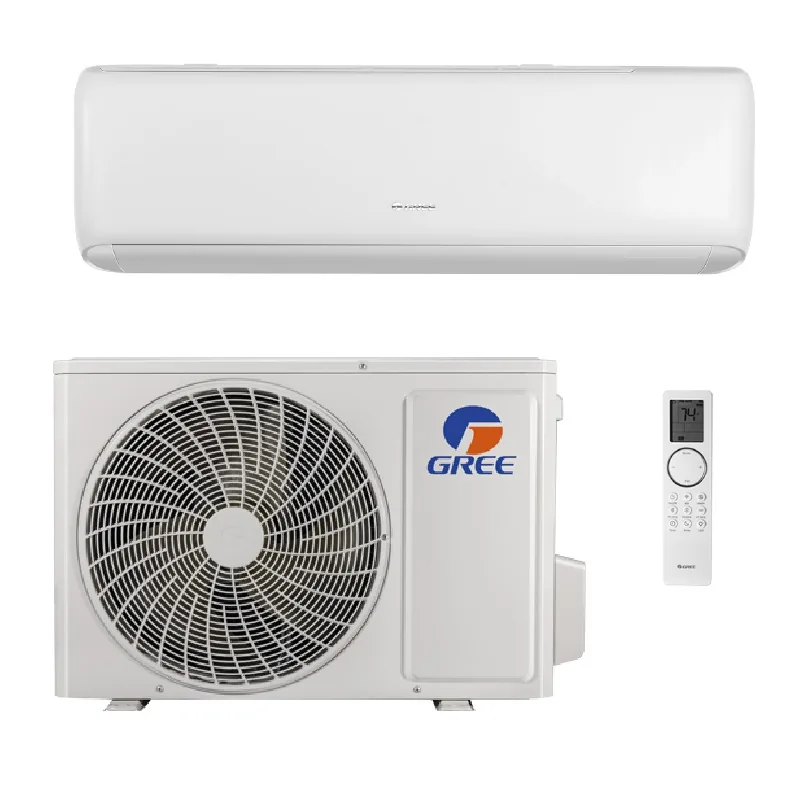
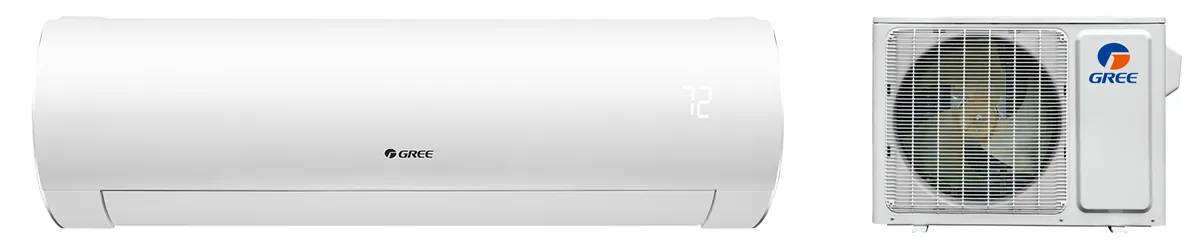
The Sapphire R-32 9k holds the highest efficiency figures in Gree's wall-mount range: 30.0 SEER2, 16.8 EER2 and 11.2 HSPF2, with an Energy Star Cold Climate designation. Gree's brochure goes further than most budget brands on cold output, publishing rated capacity of 10,600 BTU/h at 47°F and 8,900 BTU/h at 17°F, and a maximum of 11,500 BTU/h at 5°F (COP 2.11). The maximum figure at 5°F tops the 47°F rating, which is the point of a cold-climate head, and it is rated to heat down to -22°F. The indoor head runs 23 to 42 dB(A). The catch is the price and the channel: dealers list the pair at about $2,932 and Gree does not publish a consumer price. Wi-Fi is built in for the GREE+ app. Pair it with a bedroom or an addition up to roughly 400 sq ft.
11,500 BTU/h max at 5°F
Energy Star Cold Climate
Indoor head as quiet as 23 dB(A)
Cold-weather output
At 5°F it makes more heat than its 47°F rating (108%), according to the certified NEEP listing for this pairing. Gree rates it to keep running down to -22°F.
COP at 5°F
2.11
Refrigerant
R-32
AHRI cert.
214802444
ENERGY STAR cold climate
Yes
Pairing: SAP09HP230V1R32AO with SAP09HP230V1R32AH. Checked October 8, 2026 on NEEP's ccASHP list; a different head or condenser posts different numbers.
Strengths and catches
Strengths
+Gree publishes rated heat of 10,600 BTU/h at 47°F and 8,900 at 17°F, plus a maximum of 11,500 BTU/h at 5°F
+30.0 SEER2 and 11.2 HSPF2 are among the best numbers at this size
+Energy Star Cold Climate designation per Gree
+7-year compressor warranty
+Quiet indoor head, 23 dB(A) at its lowest
Catches
−About $2,932, roughly three times a Pioneer or Della 9k
−Sold through distributors; Gree directs buyers to a Select contractor
−Flare connections and R-32 mean a pro install is not optional
What owners report
Covers the Gree Sapphire line as a whole, summarised from 47 owner discussion threads, with the replies on the 12 most-discussed.
Owners treat the Sapphire as a cold-climate single-zone unit that costs less than the big names, and the most enthusiastic of them run it as their main heat source. A New England owner heats a 1,000 sq ft apartment over a garage with a 24k unit and says it barely runs most of the day. A southern Vermont owner says it kept working at -17F, though it was working hard and they would still keep a backup, and that their heating bill was about half what oil had cost. A Connecticut owner has run a 12k since 2017 alongside a Midea, and logged nearly the same electricity per heating degree day every winter. On the newer R-32 generation, one owner's 24k ran through a winter near -32C with no other heat source down to about -25C.
Most complaints are about how the unit modulates, not raw capacity. The 12k model gets praise for idling at under 100 watts. Two 18k owners describe it cycling off rather than modulating down, one never dropping below about 800W and another switching off for up to an hour. The first traced it to firmware stuck at v1.0 that the app cannot update in the US, while a 12k owner replies that the unit is probably oversized for its room. A Maine owner with three rebadged 12k heads says they settle 1-5 degrees below the setpoint at some loads. The return-air sensor is easily fooled: two owners whose head was 'boiling' the room found cold outside air leaking in through an unsealed wall penetration. The 22k and 24k sizes use 5/8-inch line sets that DIY installers find hard to bend.
The evidence fits a DIY-capable owner, or one with a willing installer, heating a defined space in a cold climate who wants high efficiency for the money. Buyers note the same unit is sold under other badges, sometimes cheaper and with better support, and that US distribution and cold-climate owner reports are harder to find than for Mitsubishi.
What owners like
+Keeps heating in real cold: owners run it as primary heat through New England winters, one at -17F in Vermont, and an R-32 24k ran without backup down to about -25C
+The 12k model idles extremely low: owners log about 80W cooling and 222W heating at a COP above 5, and the R-32 model has been seen as low as 70W
+Steady over the years: one Connecticut owner, running a 12k Sapphire and a 12k Midea since 2017, used almost the same electricity per heating degree day every winter, about 3,000 kWh a season for the pair, with the Sapphire carrying most of the load
+DIY-friendly in owners' hands: several self-installed 22k and 24k units, and one mounted on an offset foundation bracket makes no sound inside the building
+Cheaper than the big cold-climate names: one buyer was quoted about $7,000 installed for a rebadged pair against $10,000 for Mitsubishi, and owners say the rebadged versions can cost less and come with better warranty support
Common complaints
−Some 18k units will not modulate below about 800W and cycle off for up to an hour instead. One owner blames firmware stuck at v1.0 with no US update path in the app, while a 12k owner suspects oversizing
−Can settle below the setpoint: a Maine owner says three rebadged 12k heads hold the room 1-5 degrees low at certain loads despite spare capacity
−The return-air sensor is easily fooled. An unsealed wall penetration let outside air reach it and the head overheated the room, and one technician found the sensor connector not fully seated
−The 22k and 24k sizes use 5/8-inch line sets that DIY installers struggle to bend, and runs past 25 feet need extra refrigerant that one installer called optional
−One owner reports the head clicking and popping as plastic expands each time heating restarts, on a unit that cycles a few times an hour
−US distribution is thin, and buyers struggle to find cold-climate owner reports, especially for the newer R-32 generation
Questions buyers ask
Is the Gree Sapphire 9k worth about $2,932?+
It is rated 30.0 SEER2 and 11.2 HSPF2, and it heats to -22°F. But that is roughly three times a Pioneer or Della 9k. Pay for it only if you want the efficiency and cold-weather rating.
How does it perform in a cold winter?+
NEEP certifies 10,600 BTU at 47°F and 11,500 BTU at 5°F, with a COP of 2.11. It gains capacity in the cold. That is a strong result for a small room.
Can I buy and install it directly?+
Gree sells through distributors and installers, routing buyers to a GREE Select contractor. The flare lineset (up to 131 ft) needs nitrogen testing and evacuation, and R-32 is an A2L mildly flammable refrigerant.
 Series photo